- Installer tip: brush positioning for best cleaning results – Blog
 Correct brush positioning makes a major difference in camera cleaning performance. Here’s how installers can optimize results from day one.
 - Site Access Costs: Permits, Lift, and Shutdown Time – Blog
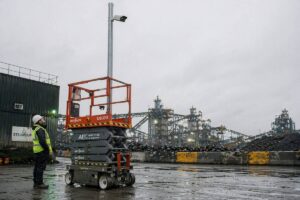 Camera cleaning access costs go far beyond a technician wiping a lens. When a camera is mounted high or in a restricted area, cleaning it requires permits, equipment, and sometimes a full operational pause. Here is what those costs really look like and how CAMDUSTER helps reduce them.
 - Cameras on Poles: Why Manual Cleaning Gets Skipped – Blog
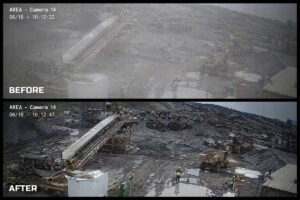 Gentle camera cleaning is often overlooked in industrial environments, where harsh conditions lead teams to assume aggressive cleaning is required. In reality, protecting the lens surface while removing dust and debris is critical. Here is why a softer approach works better and how CAMDUSTER supports it.
 - Why Camera Cleaning Can Be Gentle (No Harsh Chemicals Needed) – Blog
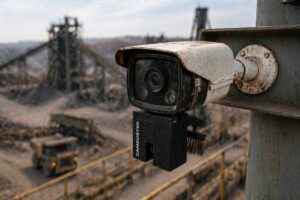 Gentle camera cleaning is often overlooked in industrial environments, where harsh conditions lead teams to assume aggressive cleaning is required. In reality, protecting the lens surface while removing dust and debris is critical. Here is why a softer approach works better and how CAMDUSTER supports it.
 - Camera Cleaning ROI: Labor Rate × Visits × Cameras – Blog
 Camera cleaning ROI is easier to understand when you stop looking at one cleaning trip and start looking at the full pattern. Labor rate, visit frequency, and total camera count quickly show how repeated manual cleaning turns into a major cost. Here is how to think about the math and how CAMDUSTER helps.
 - Steel Plant Cameras: Managing Dust and Heat in Harsh Process Zones – Blog
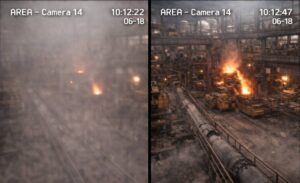 Steel plant camera cleaning is a serious challenge in areas where airborne particulate, heat, and heavy process activity affect optics fast. When cameras lose clarity in these zones, maintenance effort rises and visibility becomes less reliable. Here is how CAMDUSTER helps steel plants manage recurring contamination more effectively.
 - Cement Plant Cameras: How Fine Dust Coats Optics and Reduces Visibility – Blog
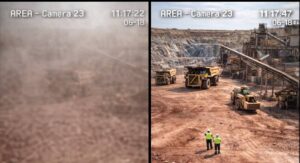 Cement plant camera cleaning is a constant challenge because fine dust does not stay in one place. It settles on optics, reduces image clarity, and creates repeat maintenance work. Here is why camera visibility drops so quickly in cement plants and how CAMDUSTER helps.
 - Fewer Ladder Climbs, Fewer Accidents: The Safety Case for Camera Cleaning Automation – Blog
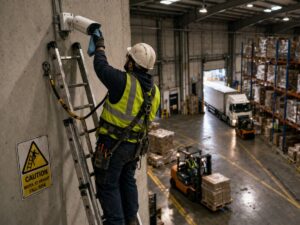 Camera cleaning safety is often overlooked until routine maintenance puts someone at height again and again. Every extra ladder climb increases risk, especially on high-mounted or hard-to-reach cameras. Here is why fewer climbs mean fewer accidents and how CAMDUSTER helps reduce that exposure.
 - LPR Cameras: Clean Lens, Fewer Missed Plates – Blog
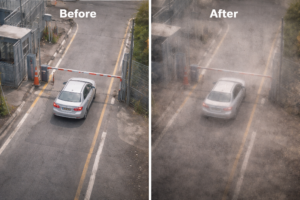 LPR camera cleaning is critical because license plate recognition depends on sharp, consistent image quality. Even small dirt, dust, residue, or web buildup can lead to missed plates and unreliable reads. Here is why clean lenses matter and how CAMDUSTER helps.
 - Warehouse Cameras and Airborne Dust: Why Traffic Keeps Making Them Dirty – Blog
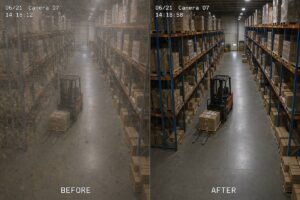 Warehouse camera cleaning becomes a constant challenge when forklifts, trucks, pallets, and daily movement keep dust in the air. Even if the site looks organized, airborne particles can still reduce camera visibility and drive repeat maintenance. Here is why that happens and how CAMDUSTER helps.