Camera Cleaning ROI: Labor Rate × Visits × Cameras
Camera cleaning ROI often seems difficult to prove until the numbers are written down in a simple way. Many sites know they are spending time and money on repeat camera cleaning, yet the true cost stays hidden because it is spread across labor hours, site visits, access work, and maintenance routines.
That is why one simple equation is so useful:
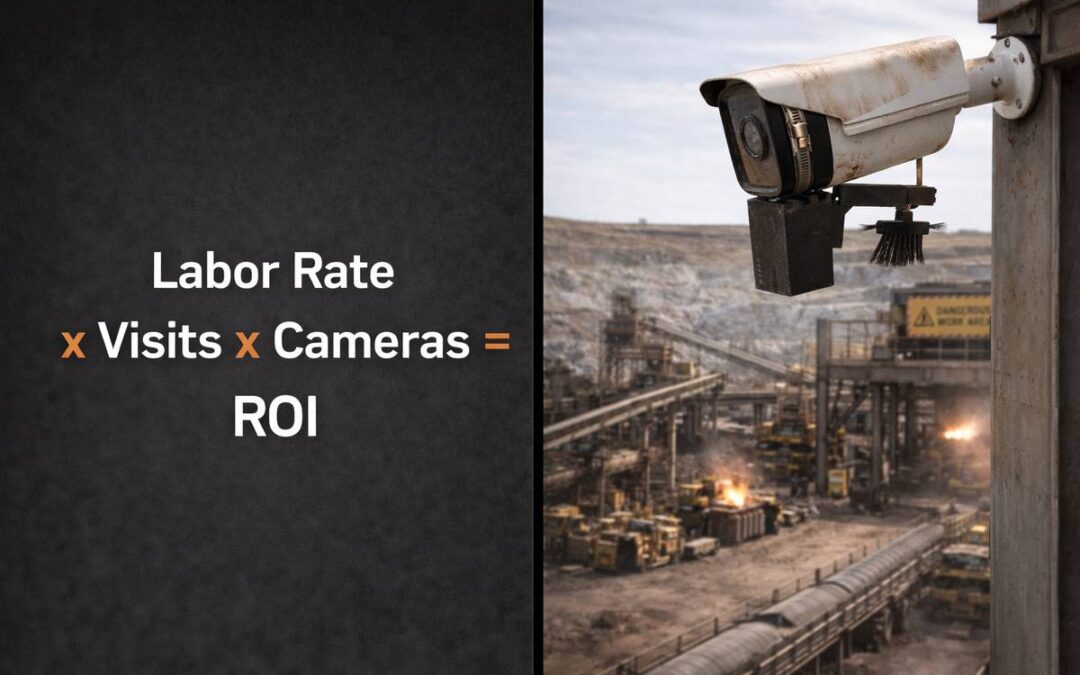
labor rate × visits × cameras = ROI conversation starter
It may not capture every detail, but it immediately shows why repeated manual cleaning becomes expensive so quickly. As a result, operators can stop treating dirty cameras as isolated maintenance annoyances and start viewing them as a repeat operating cost. Therefore, camera cleaning ROI should be evaluated across the whole cleaning pattern, not one visit at a time.
Why the math matters
A single cleaning trip rarely looks dramatic on paper. A technician wipes the lens, checks the image, and moves on. Nevertheless, the cost becomes much larger when that same work repeats across many cameras and many months.
For example, if one manual cleaning visit seems manageable, that does not mean the yearly burden is manageable. Once labor rate, visit frequency, and the number of contamination-prone cameras are multiplied together, the real cost often becomes much clearer.
This is why the ROI discussion should begin with three simple questions:
- What does one cleaning visit cost in labor?
- How often does each camera need cleaning?
- How many cameras follow the same repeat pattern?
Those three variables alone can reveal a much bigger maintenance story than most teams expect.
Breaking down the formula
Labor rate
This is the cost of the person or team performing the cleaning work. In some cases, that may seem straightforward. However, the real labor cost often includes more than the few minutes spent touching the lens.
It may also include:
- travel time
- preparation time
- setup time
- image verification after cleaning
- coordination with other site activity
So the actual labor figure should reflect the whole cleaning task, not just the wipe-down moment.
Visits
This is where the cost usually accelerates. A camera that needs one cleaning every few months is very different from a camera that needs attention weekly or even more often.
Visit count rises quickly when cameras are exposed to:
- dust-heavy environments
- cobweb-prone nighttime conditions
- debris or residue buildup
- high-traffic zones
- outdoor exposure
- difficult locations where image quality is checked less often
That means the more contamination returns, the more manual cleaning multiplies in cost.
Cameras
One dirty camera may not feel significant. Ten or twenty cameras with the same problem create a very different financial reality.
This is especially important on:
- industrial sites
- warehouses
- mining operations
- cement plants
- steel plants
- large perimeters or multi-gate facilities
So the camera count is often where routine cleaning shifts from “small maintenance task” to “serious recurring operating cost.”
Why the equation usually understates the real cost
The simple formula is useful, but it still leaves out many real-world burdens. In practice, camera cleaning ROI is usually even stronger because repeated manual cleaning often includes costs that are not fully tracked.
These may include:
- ladders or lift access
- PPE and safety procedures
- area control or work-zone disruption
- delayed cleaning while image quality is already poor
- repeat callouts between planned visits
- time lost from other maintenance priorities
In other words, the formula is a starting point, not the full story. The real cost is often higher.
Example: how repeat cleaning adds up
Imagine a site with 12 cameras that need regular manual cleaning.
If:
- the effective labor cost per visit is meaningful,
- each camera needs multiple visits over time,
- and the same contamination pattern keeps returning,
the total cost quickly becomes larger than expected.
That is exactly why camera cleaning ROI should not be compared to one manual cleaning event. It should be compared to a year, or more, of repeated labor tied to the same cameras.
Why reactive cleaning weakens the ROI picture
Many sites do not follow a strict cleaning pattern. Instead, they respond when cameras look bad. Although that may feel flexible, it usually makes the ROI worse.
First, the image quality degrades before action is taken. Then someone notices the problem and schedules a visit. After that, the same contamination returns, and the cycle repeats. Consequently, the site pays both for reduced visibility and for repeated manual intervention.
That means reactive cleaning often creates:
- higher visit frequency than expected
- lower visibility between visits
- more disruption
- less predictable maintenance planning
So even before a better solution is introduced, the current method may already be underperforming.
How CAMDUSTER changes the ROI discussion
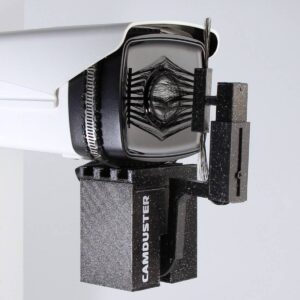
CAMDUSTER is a camera cleaning robot designed to help supported cameras stay clearer through a more preventive cleaning approach. Instead of relying only on repeated manual visits after contamination already affects the image, sites can reduce the routine buildup that keeps driving recurring labor cost.
That matters because the value of CAMDUSTER is not only one cleaning action. The real value is changing the cost pattern behind manual maintenance.
CAMDUSTER can help support:
- fewer repeat cleaning visits
- lower labor tied to routine contamination
- more consistent camera visibility
- better maintenance efficiency
- improved use of installed surveillance assets
Therefore, camera cleaning ROI becomes much easier to justify when the goal is not one saved trip, but a reduction in the repeated cost pattern over time.
Where the calculator is most useful
This ROI thinking is especially helpful for sites with:
High camera counts
The more cameras share the same problem, the faster cost multiplies.
Difficult access
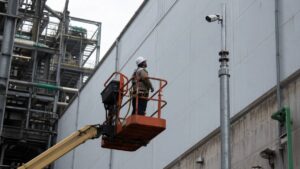
If cleaning requires ladders, lifts, or extra coordination, each visit costs more.
Recurring contamination
Dust, webs, and debris make visit frequency climb quickly.
Critical visibility requirements
If dirty footage creates operational or security problems, the cost of delay also matters.
Case study: the cost looked small until the site counted everything
At one industrial facility, camera cleaning was treated as routine maintenance and never considered a major cost. Each visit seemed small on its own, so the team assumed the total burden was also small.
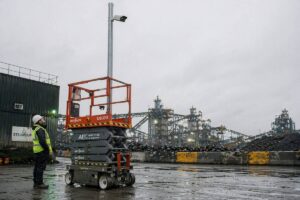
However, once they reviewed labor rate, repeat visit frequency, and the number of cameras needing regular attention, the picture changed. Several high-mounted cameras were requiring ongoing cleaning, and each visit carried access time and coordination overhead. As a result, the site realized it was paying repeatedly for the same contamination pattern without improving the long-term situation.
After shifting toward a more preventive cleaning strategy, the team reduced repeat interventions and improved visibility consistency. The key insight was simple: the ROI was not hidden because it was small. It was hidden because no one had multiplied the full pattern together.
A smarter way to use the calculator
If you want a more realistic view of cleaning cost, start with these questions:
- What is the real labor cost per cleaning visit?
- How many visits does each camera need per month or year?
- How many cameras follow that same pattern?
- Which cameras require difficult access?
- How often does poor visibility create extra reactive work?
- Could preventive cleaning reduce repeat labor?
In other words, the calculator should not only estimate current cost. It should help show how much repeat effort could be reduced.
Internal resources to explore
To learn more about smarter camera maintenance economics, see:
- CAMDUSTER camera cleaning solutions
- The hidden cost of “free” manual camera cleaning
- One device vs. monthly ladder visits: the real ROI story in camera cleaning
Conclusion
Camera cleaning ROI becomes much clearer when you calculate labor rate, visit frequency, and camera count together. What looks like a small cleaning task at one camera often becomes a major recurring cost once the full pattern is measured.
That is why the simple formula matters. It turns vague maintenance effort into something visible and actionable. CAMDUSTER helps sites reduce repeat cleaning burden, support clearer footage, and move toward a more preventive approach where the ROI improves through fewer repeated manual interventions.
#CAMDUSTER #CameraCleaningRobot #DirtyCameraLens #IndustrialSites #AutomationROI
FAQ
Frequently Asked Questions
What is the simplest way to calculate camera cleaning ROI?
A good starting point is labor rate multiplied by cleaning visits multiplied by the number of cameras. That quickly shows how recurring manual cleaning adds up over time.
Why does camera cleaning ROI often look smaller than it really is?
Because many sites do not count travel time, access setup, PPE, coordination, or repeat reactive visits. The visible cleaning action is only part of the real cost.
Should I calculate ROI per camera or for the whole site?
Both can be useful. However, the strongest ROI picture usually appears when you calculate the repeated pattern across all cameras with similar contamination problems.
What makes visit frequency such an important part of the equation?
Because even a modest cleaning cost becomes large when the same camera needs repeated attention week after week or month after month.
How does CAMDUSTER improve camera cleaning ROI?
CAMDUSTER supports a more preventive cleaning approach for supported cameras, helping reduce repeated manual cleaning visits and lower the ongoing labor tied to routine contamination.
What costs are most commonly forgotten in ROI calculations?
Travel, ladders or lift access, safety procedures, area disruption, delayed cleaning while visibility is already poor, and repeat unscheduled visits are often missed.
Is ROI stronger on sites with many cameras?
Yes. The more cameras share the same recurring contamination problem, the faster manual cleaning cost multiplies and the easier ROI becomes to demonstrate.
Read more FAQs
Can one high-cost camera still justify a preventive solution?
Yes. If access is difficult, labor is expensive, or visibility is critical, even one camera can create enough repeat burden to justify a more preventive approach.
Should poor visibility between cleanings be part of the ROI discussion?
Yes. Reduced image quality can create slower incident review, weaker monitoring confidence, and operational delays that add indirect cost beyond the cleaning visit itself.
Why is reactive cleaning often more expensive than expected?
Because it adds extra unscheduled visits and allows image quality to stay poor until someone notices the problem, which increases both maintenance burden and performance loss.
What kind of sites usually see the strongest cleaning ROI?
Industrial sites, warehouses, mining operations, cement plants, steel plants, and large perimeter installations often see the strongest value because contamination is recurring and access is costly.
Can the ROI formula still help if I do not know every exact cost?
Yes. Even approximate figures for labor, visits, and camera count can reveal whether the site is dealing with a minor task or a meaningful repeat expense.
Does camera height affect ROI?
Yes. High-mounted cameras usually cost more to clean because they need more access effort, which makes reducing repeat visits even more valuable.
Can CAMDUSTER reduce both labor cost and planning burden?
Yes. When routine contamination is handled more preventively, sites can reduce repeated labor and create more predictable maintenance planning.
Should I compare CAMDUSTER to one cleaning trip or to yearly cleaning cost?
You should compare it to the repeated yearly pattern, because that reflects the true operating cost of routine manual cleaning much more accurately.
What is the biggest mistake in camera cleaning ROI analysis?
The biggest mistake is looking at one visit in isolation instead of multiplying labor, repeat visits, and camera count across the full maintenance pattern.