One Device vs. Monthly Ladder Visits: The Real ROI Story in Camera Cleaning
Camera cleaning ROI is often misunderstood because many sites look only at the purchase price of a solution and not at the repeated cost of doing nothing differently. On paper, sending someone with a ladder once a month may seem simple and inexpensive. In real life, however, those monthly visits create an ongoing stream of labor, access effort, scheduling, and risk.
That is where the real ROI story begins. If a site keeps paying for repeated manual cleaning month after month, the question is no longer whether cleaning is necessary. The real question is whether the current method is the most cost-effective way to keep cameras clear.
For many industrial, warehouse, perimeter, and remote installations, the answer is no. Therefore, camera cleaning ROI should be measured against the full cost of repeat manual access, not just against the price of one device.
Why monthly ladder visits seem cheaper than they are
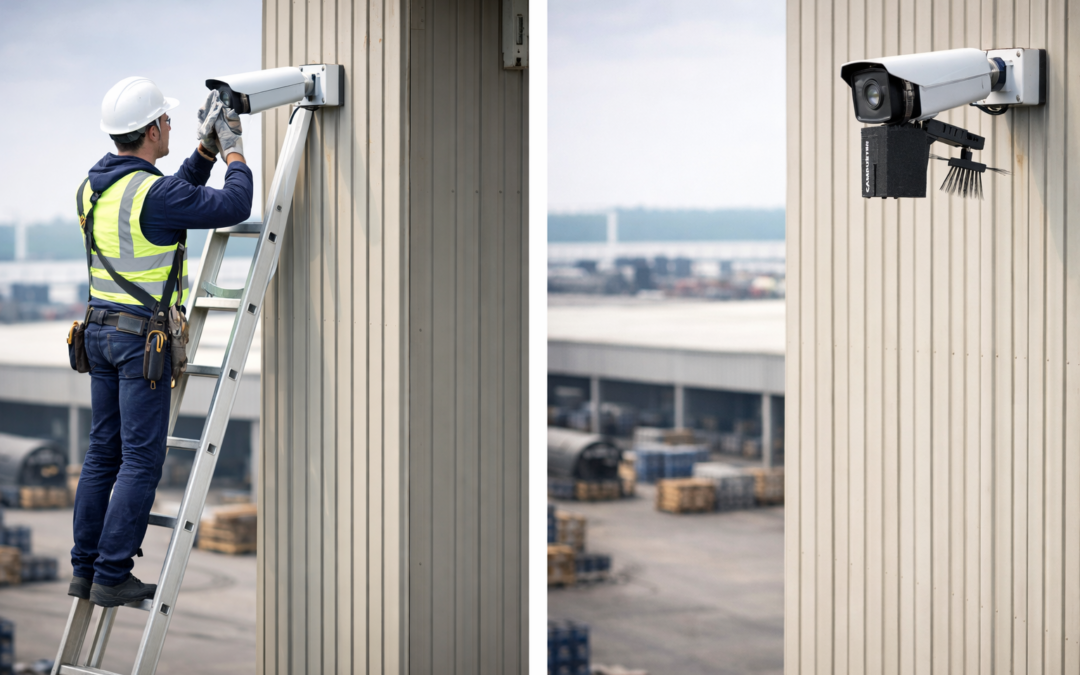
A ladder visit sounds small because the visible task is small. A technician climbs up, wipes the camera, checks the image, and leaves. Nevertheless, the total cost of that visit is usually much larger than the few minutes spent near the lens.
In most real sites, a monthly cleaning visit may include:
- technician labor
- travel time across the site
- ladder setup or access preparation
- PPE and safety compliance
- coordination with operations
- interruption to normal workflow
- repeat visits when contamination returns before the next cycle
As a result, a task that looks minor in isolation becomes expensive when repeated over and over again.
Why repeat access changes the ROI calculation
The biggest mistake in maintenance planning is treating every ladder visit as a separate, harmless event. However, ROI is not about one visit. It is about the accumulated pattern.
For example, if the same camera needs manual cleaning every month, the site is not paying once. It is committing to 12 access events per year for that one device. If several cameras have similar issues, the cost multiplies quickly.
That means camera cleaning ROI should always include:
- how often the camera needs cleaning
- how much labor each visit consumes
- whether access is easy or difficult
- whether the same problem keeps returning
- what poor footage costs between visits
Once those factors are included, the economics often look very different.
The hidden cost of ladder-based maintenance
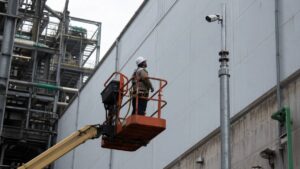
Ladder visits are not only a labor expense. They also carry operational and safety implications.
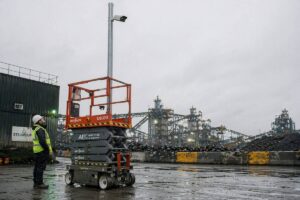
Each visit can involve working at height, access planning, and time away from other maintenance tasks. In some environments, it may also mean permits, escorts, or temporary disruption in the area below the camera. Consequently, the true cost includes more than the wage of the person doing the cleaning.
This is especially relevant for:
Industrial sites
Even simple access tasks may require additional coordination and safety control.
Warehouses
Ladders in active vehicle or pedestrian zones can disrupt normal movement and create temporary hazards.
Outdoor perimeter cameras
Weather, uneven ground, and remote positions make access less predictable and more time-consuming.
High-mounted cameras
The higher the camera, the more expensive every repeat visit becomes.
Therefore, a site that depends on monthly ladder visits is often paying for friction as much as for cleaning.
Why one device can outperform repeated manual effort
This is where the ROI comparison becomes much clearer. One preventive solution does not need to eliminate all maintenance forever to create strong value. It only needs to reduce the frequency, labor, and burden of repeated manual cleaning enough to change the cost pattern.
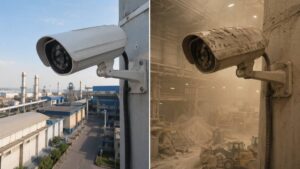
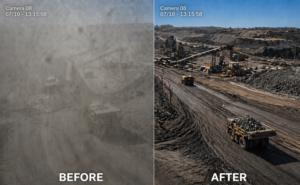
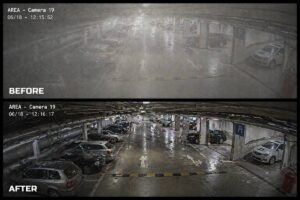
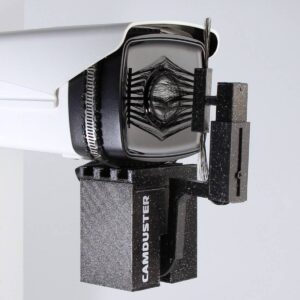
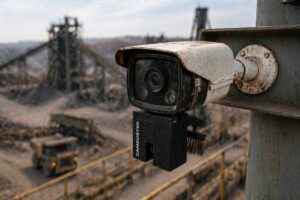
CAMDUSTER is a camera cleaning robot designed to help supported cameras stay clearer with less repeated manual intervention. Instead of solving the same contamination problem again every month with a ladder, sites can move toward a more preventive and scalable approach.
That creates value through:
- fewer repeat access trips
- lower labor tied to routine cleaning
- less dependence on ladder-based work
- more consistent camera visibility
- better use of installed surveillance systems
So the ROI is not only about buying a device. It is about reducing the monthly cost pattern that never seems large until it has already repeated for a year.
A simple way to think about the numbers
Imagine a camera that requires one manual ladder visit per month. Even if each visit seems inexpensive, the annual total quickly adds up once you include labor, travel, setup, and coordination.
Now compare that with a solution designed to reduce those repeated cleaning interventions over time. In that case, the financial value comes from avoided visits, avoided labor, improved uptime, and less disruption.
That is why camera cleaning ROI often becomes strongest when a site stops comparing device cost to one cleaning trip and starts comparing it to a year of repeated access.
Case study: the camera that needed “just one quick visit” every month
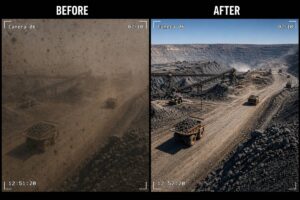
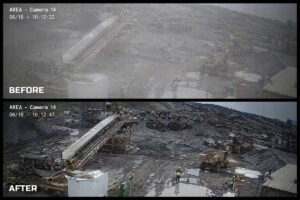
At one logistics and industrial site, a high-mounted perimeter camera needed monthly manual cleaning because dust and residue kept reducing the image. Each visit was considered minor, so no one initially treated it as a serious cost.
However, over time the pattern became clear. Every month, a technician had to plan access, bring a ladder, secure the area, clean the camera, and confirm the image. In some months, extra visits were needed because contamination returned early.
When the site reviewed the full year, the real cost was no longer minor. The issue was not a single ladder visit. It was the repeated labor and access burden created by the same camera again and again. After shifting toward a more preventive cleaning strategy, the site reduced repeat manual interventions and improved visibility consistency.
That is the real ROI story. One device can create value not because manual cleaning is impossible, but because repeated manual cleaning is expensive over time.
A smarter way to evaluate ROI
If you want to assess whether CAMDUSTER makes financial sense, ask practical questions:
- How many times per year does this camera need manual cleaning?
- How much labor is used per visit?
- Does access involve ladders, lifts, or safety controls?
- What is the cost of poor footage between cleanings?
- How many cameras follow the same pattern?
- Could one preventive solution reduce repeated visits?
Those questions reveal the real ROI much better than a simple purchase-price comparison.
Internal resources to explore
To learn more about smarter maintenance economics, see:
- CAMDUSTER camera cleaning solutions
- The hidden cost of “free” manual camera cleaning
- Remote mining cameras: why expensive access makes preventive cleaning essential
Conclusion
Camera cleaning ROI becomes much easier to understand when the comparison is honest. One device should not be compared to one quick ladder visit. It should be compared to months or years of repeated access, labor, and disruption.
That is why CAMDUSTER creates value. It helps reduce recurring manual cleaning effort, lower ladder-based maintenance burden, and support clearer camera visibility with a more efficient long-term approach.
FAQ
Frequently Asked Questions
How do I calculate camera cleaning ROI realistically?
Start with the full yearly cost of manual cleaning, not just one visit. Include labor, travel, ladder setup, safety procedures, repeat visits, and the cost of poor footage between cleanings.
Why are monthly ladder visits more expensive than they seem?
Because the real cost includes more than cleaning time. Access preparation, technician labor, PPE, coordination, and repeated disruption all add up over the year.
Is CAMDUSTER only worth it for very hard-to-reach cameras?
No. It creates especially strong value on hard-to-reach cameras, but it can also make sense anywhere repeated manual cleaning creates ongoing labor and maintenance cost.
What makes ladder-based camera cleaning inefficient?
It is inefficient when the same camera needs repeated attention and every visit consumes labor, setup time, and safety effort without changing the recurring contamination pattern.
How does CAMDUSTER improve camera cleaning ROI?
CAMDUSTER supports a more preventive cleaning approach for supported cameras, helping reduce repeated manual cleaning visits and lower the ongoing cost tied to routine contamination.
Should ROI be measured per camera or across the whole site?
Both matter. One camera may justify the investment if access is costly, but the ROI usually becomes even stronger when multiple cameras have the same repeat cleaning burden.
Does the ROI depend on how often the camera gets dirty?
Yes. The more often contamination returns, the more valuable it becomes to reduce repeated manual access and ongoing cleaning labor.
Read more FAQs
Can one camera really justify a preventive cleaning solution?
Yes, especially if the camera is high-mounted, remote, or costly to access. In those cases, even one device can offset a meaningful amount of repeated manual work.
What hidden costs are usually missing from ROI discussions?
Sites often forget travel time, area setup, safety compliance, ladder handling, interruption to operations, and the impact of poor footage before the camera is cleaned.
Is ladder work itself part of the ROI story?
Yes. Ladder-based maintenance adds labor, time, and safety burden, so reducing how often it is needed can create both cost and operational benefits.
Can CAMDUSTER reduce emergency cleaning visits too?
Yes. By supporting a more preventive maintenance approach for supported cameras, it can help reduce the need for extra reactive visits between scheduled cleanings.
Does better camera visibility also affect ROI?
Yes. More consistent visibility helps sites get more usable footage from the cameras they already own, which improves the value of the overall surveillance investment.
Which sites usually see the strongest ROI?
Industrial sites, remote facilities, perimeter installations, warehouses, and any location with repeated contamination or expensive camera access often see the strongest value.
Should I compare CAMDUSTER to one cleaning trip or a full year of cleaning?
You should compare it to the repeated yearly pattern, because that shows the true cost of ongoing manual maintenance more accurately.
Can integrators use this ROI story when selling to customers?
Yes. It helps customers understand that the cost problem is not one dirty camera, but the repeated labor and access burden of keeping that camera usable over time.
What is the biggest mistake in camera cleaning ROI analysis?
The biggest mistake is ignoring recurrence. A single cleaning visit may look cheap, but repeated visits create a much larger long-term maintenance cost.
#CAMDUSTER #AutomaticCameraCleaning #DirtyCameraLens #IndustrialSites #AutomationROI