The Hidden Cost of “Free” Manual Camera Cleaning
At first glance, manual cleaning seems like the cheapest option. A technician wipes the camera, removes dust or cobwebs, and the job is done. Therefore, many sites treat it as a routine task rather than a real expense.
However, that assumption can be misleading. The true manual camera cleaning costs are often hidden across labor, travel, access equipment, safety procedures, and repeat visits. As a result, what looks “free” on paper can become an expensive maintenance habit over time.
For facilities with multiple cameras, hard-to-reach installations, or recurring contamination, the cost of sending people out again and again adds up quickly. That is exactly where CAMDUSTER changes the equation.
Why manual cleaning looks cheaper than it really is
The problem is not the act of wiping the lens. The problem is everything around it.
For example, a simple cleaning visit may include:
- technician labor
- travel to the site
- lift rental or access equipment
- PPE and safety procedures
- permits or supervisor coordination
- interruption to operations
- repeat callouts when the same camera gets dirty again
Individually, each item may seem manageable. Yet together, they increase manual camera cleaning costs far beyond the cost of the cloth or the few minutes spent at the camera.
Moreover, these costs are rarely tracked in one place. Instead, they are spread across maintenance budgets, labor hours, and service visits. Because of that, many operators underestimate how much recurring cleaning really costs.
The biggest hidden costs most teams overlook
Labor time
Someone has to inspect the camera, travel to it, clean it, and confirm the image is clear again. Even if the cleaning itself takes only a few minutes, the full job often takes far longer.
Travel and site access
Remote cameras, perimeter cameras, and large industrial facilities often require significant travel time. Consequently, a simple cleaning task can consume a large portion of a workday.
Lifts, ladders, and access equipment
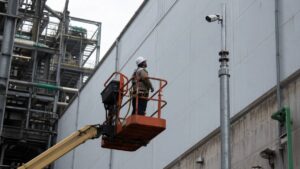
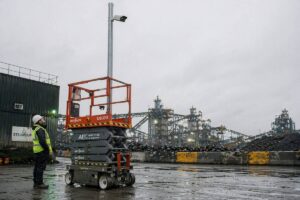
High-mounted cameras are especially expensive to service. In these cases, even basic maintenance may require a lift, fall-protection procedures, or extra personnel.
Safety compliance
On industrial sites, camera access may require PPE, lockout procedures, permits, escorts, or scheduled access windows. Therefore, manual camera cleaning costs often include compliance overhead, not just cleaning labor.
Repeat contamination
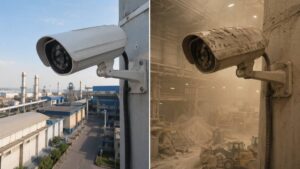
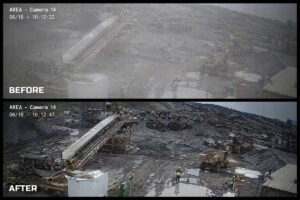
Perhaps the most overlooked issue is recurrence. Dust, cobwebs, and debris do not usually appear once. They come back. As a result, the same camera may need cleaning again and again, multiplying cost without improving the process.
Why “free” cleaning becomes expensive across multiple cameras
One dirty camera may not seem like a major issue. However, once you scale across an entire site, the numbers change.
Imagine a facility with dozens of outdoor cameras. If even a portion of them require repeated manual attention each month, the labor hours grow quickly. In addition, cameras mounted at height or in harsh environments increase cost even more.
That is why manual camera cleaning costs are rarely about one visit. Instead, they are about the accumulated expense of repeated visits across weeks, months, and years.
The operational cost of poor camera visibility
There is another hidden cost that is even harder to measure: poor footage.
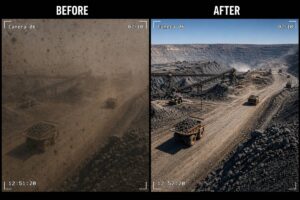
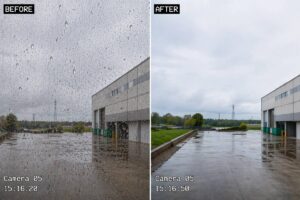
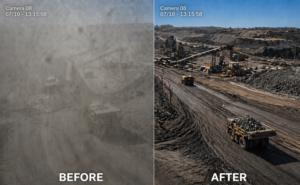
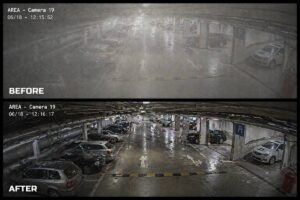
When cameras stay dirty for too long, image quality drops. As a result, sites may experience:
- blurry footage
- reduced night visibility
- more false alerts
- missed incidents
- delayed investigations
- reduced trust in the surveillance system
In other words, the cost is not only maintenance. It is also lost performance from the camera system you already paid for.
Why preventive maintenance is usually more efficient
Reactive cleaning means waiting for the image to become bad enough to justify a visit. Preventive cleaning, by contrast, is about reducing repeat problems before they affect performance.
That shift matters because preventive maintenance helps sites:
- reduce emergency cleaning trips
- improve camera uptime
- control service frequency
- reduce unnecessary labor
- maintain more consistent image quality
Therefore, the real question is not whether a camera can be cleaned manually. The real question is whether repeated manual cleaning is the most efficient long-term strategy.
How CAMDUSTER helps reduce repeat cleaning costs
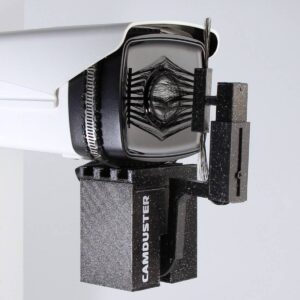
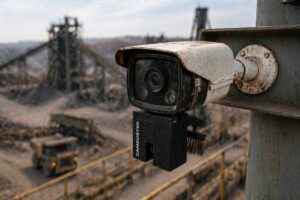
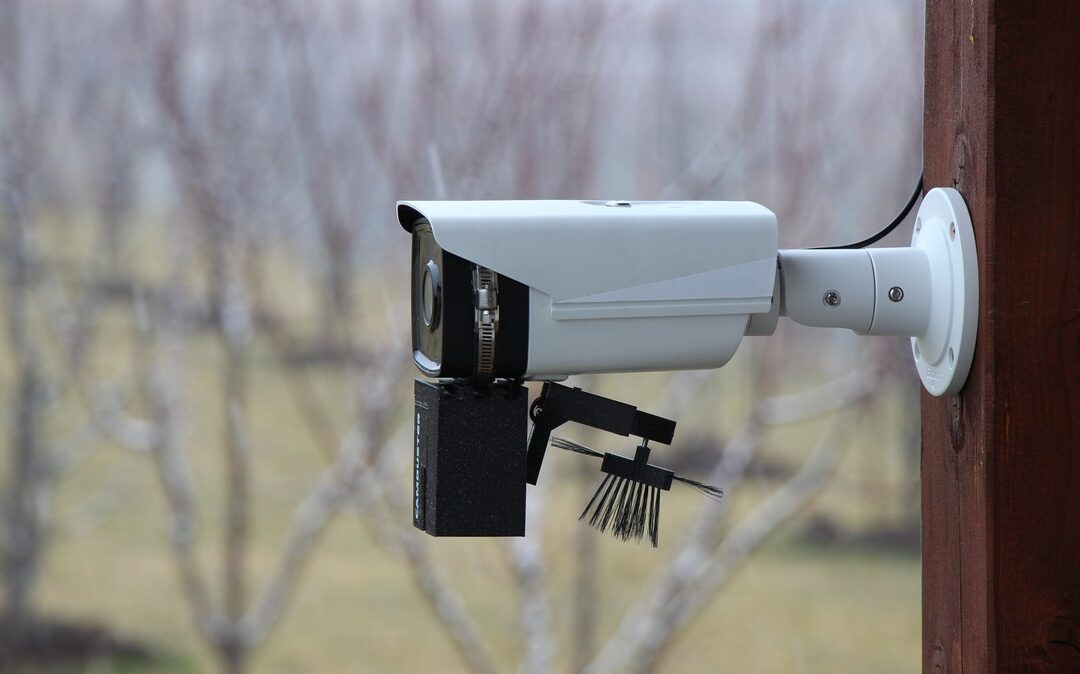
CAMDUSTER is a camera cleaning robot designed to help supported cameras stay clearer with less repeated manual intervention. Instead of relying only on technicians to respond whenever buildup affects the image, operators can move toward a more preventive maintenance model.
This can help reduce:
- repeated site visits
- unnecessary labor hours
- access-related cleaning costs
- operational disruption
- the long-term impact of recurring contamination
For sites with difficult access, recurring dust, or repeated cobweb problems, CAMDUSTER offers a more scalable approach than constant manual cleaning.
Where the savings are easiest to see
CAMDUSTER becomes especially valuable when cameras are:
High-mounted
The higher the camera, the more expensive each manual cleaning visit becomes.
Remote
Travel time increases labor cost even before cleaning begins.
Installed in harsh environments
Dust, debris, insects, and weather can create repeat contamination cycles that drive up service frequency.
Critical for operations or security
If a dirty camera affects security response, incident review, or operational monitoring, the cost of poor visibility is even greater.
Case study: when “quick cleaning” became a recurring expense
At one industrial site, several perimeter cameras regularly lost image quality because of dust and cobweb buildup. At first, the maintenance team handled the problem manually. Since each individual cleaning visit seemed minor, the cost was not treated as a major issue.
However, once the team reviewed the full pattern, the hidden cost became obvious. Repeated visits included technician time, travel across the site, access coordination, PPE, and occasional lift use. In addition, some cameras needed cleaning again within days.
Over time, the site realized the biggest problem was not a single cleaning event. Instead, it was the repeated maintenance cycle. By moving toward a more preventive approach, the team reduced service frequency, improved camera uptime, and gained better control over maintenance effort.
That is where CAMDUSTER creates value: not by replacing one cloth wipe, but by reducing the repeated cost around it.
A smarter way to evaluate camera cleaning
If you want to understand whether manual cleaning is really “free,” ask these questions:
- How often does the same camera need attention?
- How much labor time is used per visit?
- Does access require lifts, PPE, or coordination?
- How much does travel add to the job?
- What is the cost of poor footage between cleanings?
- Could preventive cleaning reduce repeat visits?
Once those questions are answered honestly, manual camera cleaning costs become much easier to see.
Internal resources to explore
To learn more about smarter camera maintenance, visit:
Conclusion
Manual cleaning may seem free because the cleaning action itself looks simple. Nevertheless, the real cost includes labor, travel, equipment, safety procedures, and repeat service visits. Therefore, the hidden expense is often much higher than expected.
If your site is dealing with recurring contamination, high-mounted cameras, or repeated service trips, CAMDUSTER offers a smarter way to reduce manual camera cleaning costs and build a more efficient maintenance strategy.
FAQ
Frequently Asked Questions
Why do manual camera cleaning costs end up higher than expected?
Because the real cost includes more than cleaning time. Labor, travel, access equipment, PPE, coordination, and repeat visits all add up, especially across multiple cameras.
Is manual camera cleaning still practical for a small site?
It can be. However, even small sites should consider how often cameras get dirty, how easy they are to access, and whether repeated cleaning is taking time away from other work.
When does manual cleaning become inefficient?
It usually becomes inefficient when cameras are high-mounted, remote, exposed to recurring dust or cobwebs, or critical enough that poor image quality cannot be tolerated for long.
How does CAMDUSTER help reduce cleaning-related labor?
CAMDUSTER supports a preventive cleaning approach for supported cameras, which can reduce the number of repeat manual cleaning visits and lower the labor tied to recurring contamination.
Does CAMDUSTER replace all maintenance visits?
No. Cameras still need inspection and general maintenance when required. However, CAMDUSTER can help reduce the frequency of manual cleaning visits related to routine contamination.
Is CAMDUSTER useful only on industrial sites?
No. It is especially strong for industrial and remote sites, but it can also add value anywhere recurring camera contamination creates maintenance effort or poor visibility.
What kinds of contamination make manual cleaning costly?
Recurring dust, cobwebs, debris, and general lens-area buildup are the most common issues. The more often they return, the more expensive manual cleaning becomes over time.
Read more FAQs
How can I calculate the real cost of manual camera cleaning?
Start by tracking labor hours, travel time, access costs, lift rental, PPE requirements, and the number of repeat visits per camera. That gives a more realistic picture than simply estimating the wipe-down time.
What if the camera only needs cleaning once in a while?
If contamination is rare and access is easy, manual cleaning may remain acceptable. The issue becomes more serious when the same problem repeats regularly or access is costly.
Does poor image quality create a business cost too?
Yes. Dirty cameras can lead to missed events, blurry evidence, false alarms, and reduced trust in the surveillance system. Those consequences can be more costly than the cleaning itself.
Can CAMDUSTER help reduce lift or ladder use?
It can help reduce the number of repeat cleaning visits that require difficult access on supported cameras. That may lower the need for frequent lift or ladder-based cleaning work.
Is CAMDUSTER relevant for perimeter cameras?
Yes. Perimeter cameras are often exposed to dust, insects, weather, and difficult access. That makes recurring manual cleaning both costly and operationally inconvenient.
How does this help security integrators and installers?
It gives them a value-added way to address a real maintenance problem for clients. Instead of selling only the camera, they can also offer a practical solution for keeping it usable over time.
Does CAMDUSTER require a different maintenance mindset?
Yes. It shifts camera care from reactive cleaning after performance drops to a more preventive approach focused on reducing repeat contamination-related service calls.
Which sites usually see the strongest ROI?
Sites with many outdoor cameras, difficult access conditions, frequent contamination, or high labor/travel costs often see the strongest value from reducing repeated manual cleaning.
#CAMDUSTER #AutomaticCameraCleaning #DirtyCameraLens #FactorySecurity #LowerLaborCosts