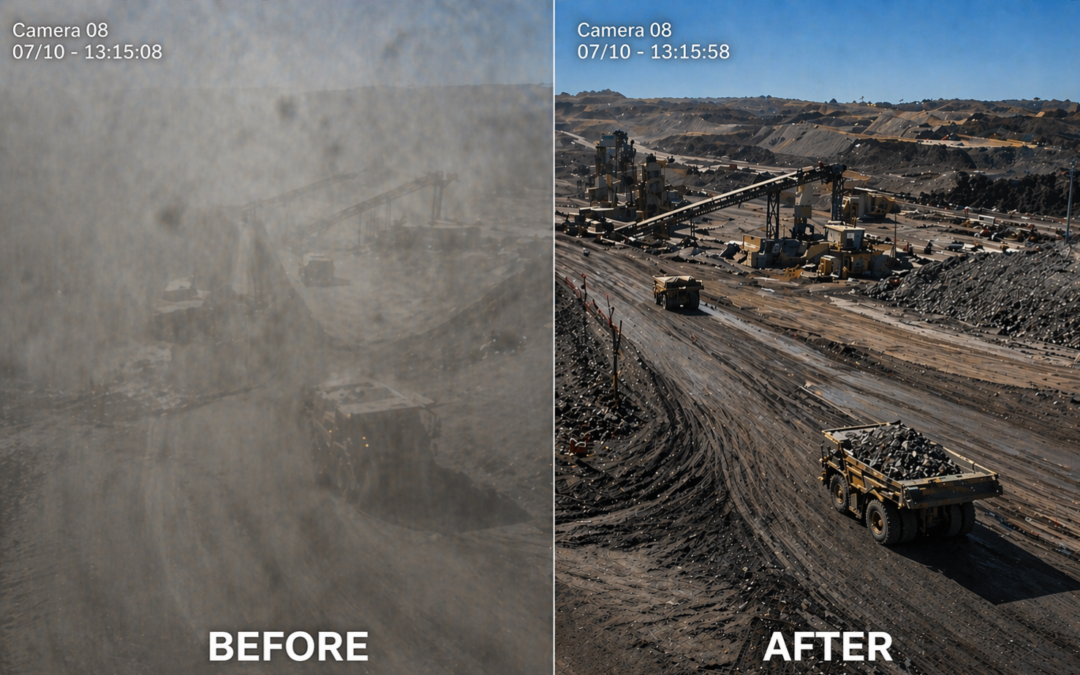
Mining dry season: planning for dust-heavy camera conditions
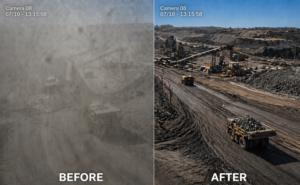
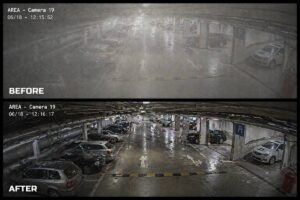
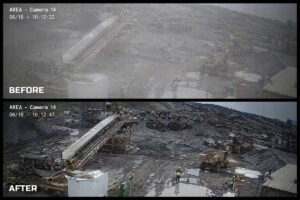
Mining camera cleaning dry season challenges are often predictable, yet frequently underestimated. As conditions shift, dust levels increase significantly, and camera visibility can decline much faster than during other periods.
Therefore, dry season should not be treated as business as usual.
Why dust increases during dry season
During dry periods, environmental conditions change in ways that directly impact camera performance.
For example:
- reduced moisture allows dust to stay airborne longer
- increased vehicle activity lifts more particles into the air
- wind spreads fine particulate across large areas
- exposed surfaces generate continuous dust movement
As a result, contamination builds up faster on camera lenses.
Which cameras are most affected
Not all cameras are impacted equally. Some locations experience much higher exposure.
Typically affected areas include:
- haul roads with constant heavy traffic
- loading and dumping zones
- conveyor and transfer points
- elevated cameras exposed to wind-driven dust
- remote monitoring points with no shielding
Because of this, mining camera cleaning dry season planning should prioritize these high-risk locations.
Why reactive cleaning is not enough
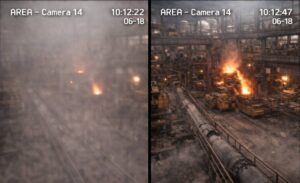
Many sites respond only when visibility becomes noticeably poor. However, in dry season, contamination can return quickly after cleaning.
Consequently:
- cameras lose clarity between maintenance cycles
- teams repeat the same cleaning tasks
- visibility gaps appear in critical monitoring areas
This creates a cycle where cleaning never fully keeps up with conditions.
The case for preventive planning
A more effective strategy is to prepare before dust levels peak.
This includes:
- identifying cameras with recurring contamination
- increasing cleaning frequency during dry periods
- planning access and maintenance routes in advance
- prioritizing critical visibility points
In other words, the goal is to stay ahead of contamination, not react to it.
How CAMDUSTER supports dry season conditions
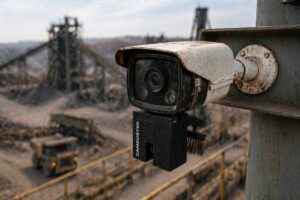
CAMDUSTER helps shift camera maintenance toward a more consistent and preventive approach.
Instead of relying only on repeated manual cleaning, sites can:
- maintain clearer lenses over time
- reduce the number of reactive interventions
- support continuous visibility in high-dust zones
- improve efficiency during peak contamination periods
👉 Learn more: https://camduster.com
👉 Related: https://camduster.com/mining-camera-cleaning-dust-heavy-zones/
Case Study: dry season visibility loss on haul roads
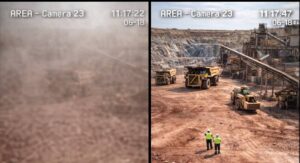
At a mining operation, cameras monitoring haul road intersections experienced rapid visibility loss during the dry season.
Although cameras remained operational, dust accumulation reduced image clarity within short periods. Manual cleaning was performed, but the same issue returned quickly due to constant traffic and dry conditions.
After reviewing the pattern, the site identified that:
- certain cameras required repeated attention
- visibility gaps appeared between cleaning visits
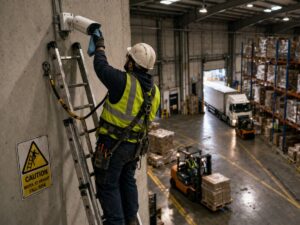
- maintenance teams spent significant time revisiting the same locations
By shifting toward a more preventive approach, the site improved consistency of visibility and reduced repeated manual intervention during peak dust conditions.
#CAMDUSTER #AutomaticCameraCleaning #DustRemoval #MiningOperations #PreventiveMaintenance
FAQ
Why is dry season worse for camera visibility?
Dry conditions allow dust to stay airborne longer and spread more easily, leading to faster buildup on camera lenses.
How quickly can cameras get dirty in dry season?
In high-traffic areas, visible contamination can return shortly after cleaning due to constant dust movement.
Which mining areas are most affected?
Haul roads, loading zones, and elevated positions exposed to wind typically experience the highest dust exposure.
Is manual cleaning enough during dry season?
Manual cleaning helps temporarily, but frequent recontamination often requires repeated visits.
How can sites prepare for dry season?
By identifying high-risk cameras, increasing cleaning frequency, and planning maintenance proactively.
Does dust affect night visibility?
Yes. Dust can scatter light and reduce contrast, making night-time footage less clear.
Can preventive cleaning reduce workload?
Yes. A preventive approach can reduce repeated emergency cleaning and improve maintenance efficiency.
Why do the same cameras need repeated cleaning?
Because environmental conditions remain unchanged, contamination returns to the same exposed locations.
Read more FAQs
Do wind conditions affect dust buildup?
Yes. Wind can carry fine particles across large areas and deposit them on exposed camera lenses.
Is dry season predictable enough to plan for?
In most mining regions, dry periods are predictable, making preventive planning highly effective.
What is the main goal of dry season planning?
The goal is to maintain consistent visibility while reducing repeated manual cleaning efforts.