Why Manual Camera Cleaning Can Create a Security Risk Through Missed Events
At first, camera cleaning sounds like a simple maintenance task. However, in real-world security environments, it can create a much bigger problem. When a camera stays dirty for too long, delivers poor footage, or is temporarily unavailable during cleaning, the result can be the same: a missed event.
That is why camera cleaning security risk should be taken seriously. Surveillance systems are installed to capture what matters. Yet if image quality drops, critical details can be lost. Therefore, camera cleaning is not only a maintenance issue. It is also a security performance issue.
Why missed events happen more often than teams expect
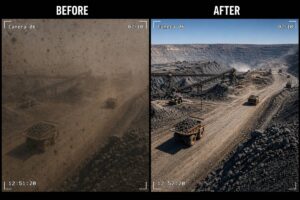
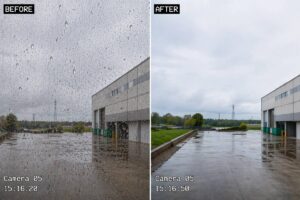
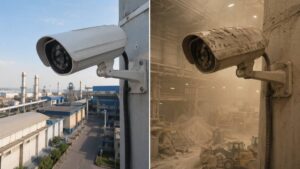
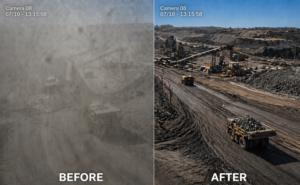
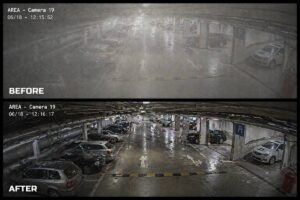
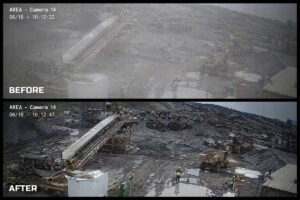
Many sites assume a camera is “working” as long as it is powered on and recording. Nevertheless, that is not always enough. A camera can be online and still fail to deliver useful footage because the lens area is contaminated by dust, cobwebs, debris, or residue.
As a result, the site may believe coverage is in place while the actual image quality is too poor to support identification, monitoring, or review. In some cases, the problem becomes visible only after an incident occurs.
Common causes of missed events include:
- dirty or obstructed lenses
- blurred footage at night
- glare from contamination near the lens
- reduced visibility in critical zones
- delayed cleaning after the image has already degraded
- temporary camera downtime during maintenance
Therefore, camera cleaning security risk often grows quietly before anyone realizes the system is underperforming.
Why dirty cameras are more than a maintenance nuisance
A dirty camera does not always fail completely. Instead, it often fails gradually.
For example, a lens may collect dust over days or weeks until details become softer and less reliable. Likewise, cobwebs or debris may partially obstruct the view while still allowing the camera to appear “active.” Because of that, operators may assume the camera is fine until they need the footage for a specific event.
This creates several security problems:
- important motion may be harder to verify
- faces, vehicles, or actions may be less clear
- incident review may take longer
- security teams may act on incomplete visual information
- evidence quality may be reduced when it matters most
In other words, poor visibility increases the chance of missing the event itself or missing the details that explain it.
Why manual cleaning can also create temporary coverage gaps
The risk is not only dirty footage. The cleaning process itself can also create a gap.
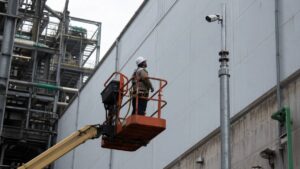
Whenever a technician cleans a camera, there may be a short period when the camera view is obstructed, moved, or temporarily unavailable. In low-risk environments, that may not matter much. However, in perimeter zones, access points, loading areas, and industrial sites, even short interruptions can matter.
That is especially true when:
- cameras monitor entry or exit points
- the camera covers a remote or isolated area
- multiple cameras need cleaning on the same schedule
- manual cleaning takes time because access is difficult
- visibility is already degraded before the team arrives
Consequently, camera cleaning security risk includes both poor footage between visits and temporary disruption during maintenance itself.
The hidden risk of reactive maintenance
Many sites respond only after the image becomes clearly bad. Although that may feel efficient, it often means the camera has already been underperforming for some time.
That creates a dangerous pattern. First, visibility degrades slowly. Next, the problem is noticed late. Then a service visit is arranged. Finally, the site restores the image only after a period of reduced surveillance quality. As a result, events may already have been missed before cleaning even begins.
So the real issue is not just that the camera got dirty. The real issue is that security performance was reduced during the delay.
Why critical environments feel this risk more strongly
Some sites can tolerate occasional image softness. Others cannot.
This problem matters more in locations such as:
Perimeter security zones
If a dirty camera overlooks a fence line, entry route, or gate, missed visual detail can reduce response confidence.
Industrial sites
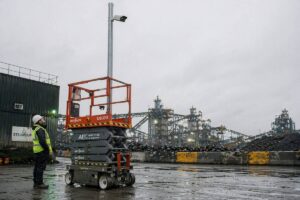
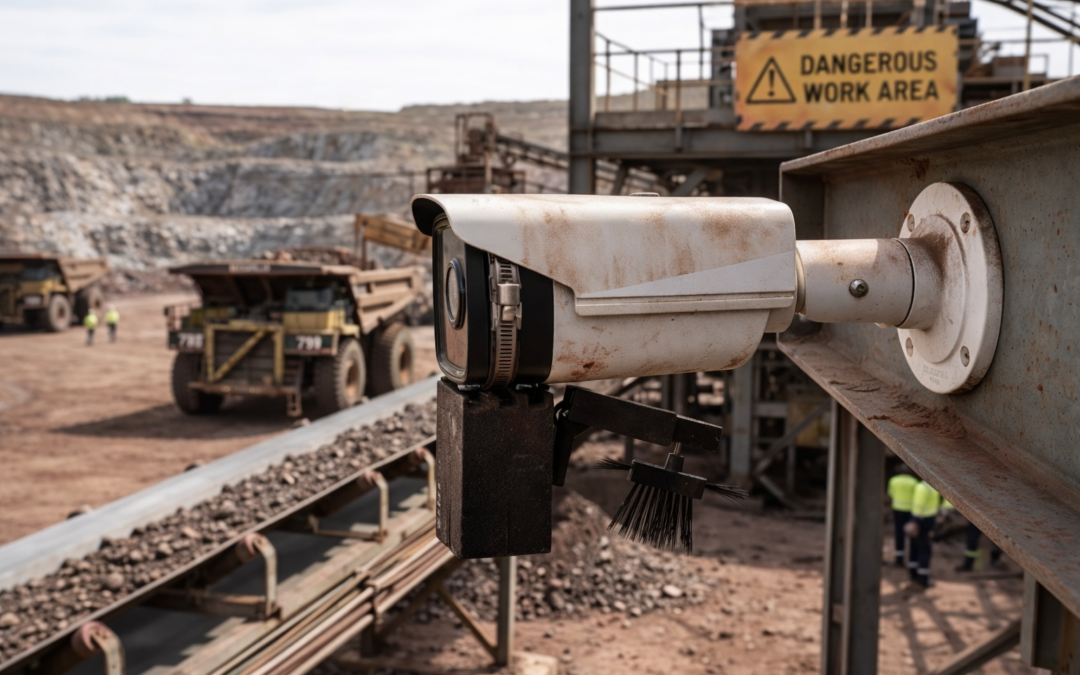
Dust, debris, and difficult access can delay cleaning while the camera still appears to be “working.”
Warehouses and logistics areas
Loading bays, vehicle lanes, and storage areas often depend on clear footage to confirm activity and review incidents.
Remote camera locations
If access takes time, the camera may remain degraded longer before maintenance is completed.
Therefore, the higher the operational importance of the camera, the more serious the cleaning-related risk becomes.
How CAMDUSTER helps reduce the risk of missed events
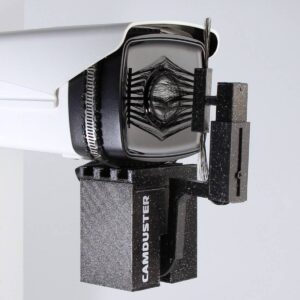
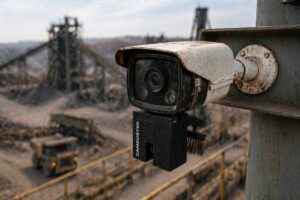
CAMDUSTER is a camera cleaning robot designed to help supported cameras stay clearer through a more preventive cleaning approach. Instead of waiting until contamination becomes severe and then sending someone out, operators can reduce the buildup that affects visibility over time.
That matters because the best way to reduce camera cleaning security risk is to reduce how often cameras remain dirty long enough to compromise footage.
CAMDUSTER can help support:
- more consistent image clarity
- fewer periods of degraded visibility
- fewer repeat manual cleaning trips
- better maintenance control
- improved reliability from existing surveillance cameras
Therefore, the benefit is not only lower maintenance effort. It is also more dependable camera performance where missed events matter.
Case study: a missed detail at a dirty gate camera
At one industrial site, a gate camera remained online and recording, but recurring dust buildup had gradually reduced image clarity. Because the camera was still operational, the issue was not treated as urgent.
Later, during a routine security review, the team discovered that an overnight vehicle movement had been captured only partially. The event was visible, but key details were too unclear for confident identification. After inspection, the cause was obvious: contamination on the camera had reduced useful visibility before the event occurred.
From that point, the site changed its approach. Instead of relying only on reactive manual cleaning, the team moved toward a more preventive maintenance strategy so that critical cameras stayed clearer more consistently.
The lesson was simple: the risk was not the cleaning task alone. The real risk was the period of reduced visibility before cleaning happened.
A smarter security-focused cleaning strategy
If a site depends on camera footage for decisions, investigations, and rapid response, cleaning should be treated as part of security readiness.
A stronger approach usually includes:
- identifying cameras in critical coverage zones
- tracking how often visibility degrades
- reducing delays between contamination and cleaning
- prioritizing difficult-to-access cameras
- moving from reactive cleaning to preventive maintenance
In other words, the goal is not only to clean cameras when they look bad. The goal is to reduce the chance that poor visibility leads to missed events.
Internal resources to explore
To learn more about smarter camera maintenance, see:
- CAMDUSTER camera cleaning solutions
- The hidden cost of “free” manual camera cleaning
- Cobwebs at night: why they keep coming back
Conclusion
Camera cleaning is easy to view as a routine maintenance task. Nevertheless, when cameras stay dirty, deliver poor footage, or require reactive cleaning after performance has already dropped, the result can be a real security gap.
That is why camera cleaning security risk should not be ignored. CAMDUSTER helps sites support clearer camera visibility, reduce repeated manual intervention, and lower the chance that important events are missed because the image was not good enough when it mattered.
FAQ
Frequently Asked Questions
How can camera cleaning become a security risk?
It becomes a security risk when dirty lenses reduce image quality, important details are missed, or manual cleaning creates short periods of interrupted coverage in critical areas.
Can a camera still be online and still miss important events?
Yes. A camera may still be powered and recording while dust, cobwebs, or debris reduce the image enough to make important details hard to identify or review.
Why are missed events often discovered too late?
Because many teams notice the problem only after an incident, review, or complaint. By that point, the camera may have been delivering weak footage for some time.
Does manual cleaning itself create a temporary gap in coverage?
It can. During cleaning, the camera view may be obstructed, moved, or briefly unavailable, which may matter in high-risk or high-traffic areas.
Which camera locations are most sensitive to this risk?
Perimeter cameras, gate cameras, loading zones, remote cameras, and industrial monitoring points are especially sensitive because clear footage is critical in those areas.
How does CAMDUSTER help reduce missed-event risk?
CAMDUSTER supports a more preventive cleaning approach for supported cameras, helping maintain clearer visibility and reducing the periods when contamination affects footage quality.
Is this only a problem for outdoor cameras?
No. Outdoor cameras are more exposed, but indoor cameras in dusty, busy, or industrial environments can also lose image quality and create the same type of security risk.
Read more FAQs
Can a slightly dirty camera really affect investigations?
Yes. Even moderate contamination can reduce detail enough to slow incident review or limit confidence in what the footage shows.
Why is reactive cleaning risky for critical cameras?
Because the camera may already be underperforming before anyone responds. That means visibility can remain poor during the exact period when an important event happens.
Does this issue affect nighttime footage more?
Often yes. Dust, cobwebs, and residue can reflect light and reduce contrast, which makes poor visibility even more noticeable at night.
Can CAMDUSTER help reduce repeat manual cleaning visits?
Yes. It supports a more preventive approach for supported cameras, which can reduce the number of repeated trips needed to keep visibility at an acceptable level.
Is CAMDUSTER relevant for security integrators and installers?
Yes. It provides a value-added way to help customers protect footage quality and reduce the operational risk created by recurring contamination.
What should security managers track to understand this risk?
They should track repeat cleaning frequency, camera locations with recurring contamination, response time to degraded visibility, and how often footage quality affects review or incident response.
Can preventive cleaning improve the value of existing surveillance systems?
Yes. When cameras stay clearer more consistently, the site gets more reliable performance and more useful footage from the equipment already installed.
Is this relevant only for large industrial sites?
No. Any site that depends on reliable camera footage for security, safety, or incident review can be affected if recurring contamination reduces visibility.
What is the biggest hidden cost of missed events caused by dirty cameras?
The biggest hidden cost is often lost confidence in the surveillance system, especially when a camera appears operational but fails to provide the detail needed when something important happens.
#CAMDUSTER #SecurityCameraCleaning #MissedEvents #IndustrialSites #SecurityROI