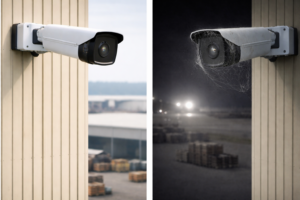

Clean Today, Dirty Tonight: The Recurring Camera Cleaning Nightmare
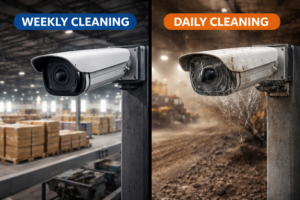
Recurring camera cleaning is one of the most frustrating maintenance problems in surveillance. A technician cleans the camera, the image looks clear again, and the job seems finished. However, by the same evening or the next morning, the lens area may already be dirty again. As a result, the site pays for the same task repeatedly without truly solving the problem.
That is why this issue feels like a maintenance nightmare. The problem is not one dirty camera. The problem is the repeat cycle. Dust, cobwebs, debris, residue, and insects can return far faster than most teams expect. Therefore, if a camera is cleaned today and dirty again tonight, the site is dealing with a recurring contamination pattern, not a one-time event.
Why cameras get dirty again so quickly
In many environments, the conditions around the camera never really change. Even after manual cleaning, the same contamination sources remain active. Consequently, the camera returns to the same risk almost immediately.
Common causes include:
- dust-heavy traffic routes
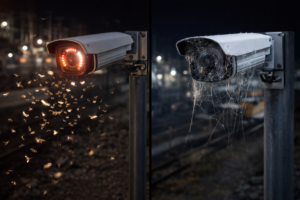
- spider activity near lights or IR illumination
- outdoor debris and weather exposure
- industrial residue in production areas
- insects near cameras at night
- repeated contamination on the same mounting location
Because of that, manual cleaning often removes the symptom without changing the cause. The camera looks fine for a short time, but the surrounding environment keeps rebuilding the same problem.
Why this pattern is so expensive
At first, one extra cleaning visit may not seem serious. Nevertheless, recurring camera cleaning becomes expensive because the cost repeats again and again.
Each return visit may include:
- technician labor
- travel time
- ladder or lift access
- PPE and safety procedures
- site coordination
- interrupted maintenance schedules
- time spent verifying the image again
So the real cost is not one wipe-down. It is the accumulated burden of repeating the same maintenance job over and over.
Why the problem is worse at night
Many sites discover the worst contamination after dark. That is especially true when spiders, insects, or IR glare are involved.
For example, a camera can look acceptable in daylight and still perform badly at night. A fine web, light dust, or residue film may seem minor during the day. However, once infrared light reflects off that buildup, the image can become hazy, washed out, or blurry. As a result, the site may feel like the camera was “clean” only for a few hours before the real problem returned.
That is why recurring camera cleaning is often tied to nighttime performance complaints.
Why reactive cleaning keeps the cycle alive
Reactive cleaning means waiting until the image becomes obviously poor and then sending someone to fix it. Although that sounds practical, it usually keeps the cycle going.
First, the camera gets dirty. Next, image quality drops. Then someone notices the problem. After that, a technician is scheduled. Finally, the camera is cleaned, only for the same contamination to return soon after. Consequently, the site keeps paying for repeated recovery rather than preventing the repeat issue.
In other words, reactive cleaning restores the image temporarily, but it does not reduce the recurrence.
Where this nightmare happens most often
Some environments are far more vulnerable to rapid recontamination than others.
Perimeter cameras
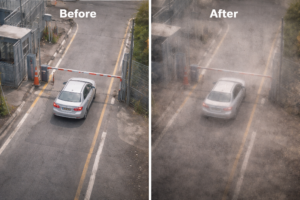
Outdoor boundary cameras face dust, insects, weather, and cobweb buildup continuously.
Industrial sites
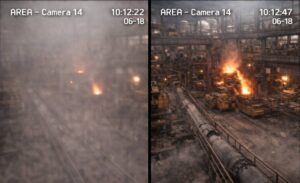
Production residue, airborne dust, and difficult access make repeated contamination especially expensive.
Warehouses and logistics yards
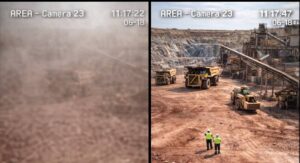
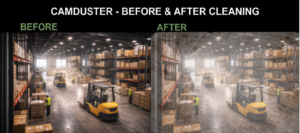
Loading zones, traffic routes, and open yard areas often create constant dust and debris exposure.
Remote cameras
If access is costly or slow, the camera may remain degraded longer between each repeat cleaning visit.
How CAMDUSTER helps break the cycle
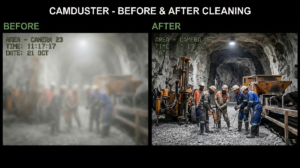
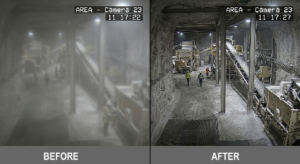
CAMDUSTER is a camera cleaning robot designed to help supported cameras stay clearer through a more preventive cleaning approach. Instead of relying only on manual intervention after image quality drops, operators can reduce the recurring buildup that keeps driving repeat visits.
That matters because the value of CAMDUSTER is not just one successful cleaning. The real value is reducing the endless repeat pattern behind recurring camera cleaning.
CAMDUSTER can help support:
- fewer repeat manual cleaning visits
- better visibility consistency
- lower routine labor burden
- improved camera uptime
- more predictable maintenance planning
Therefore, the goal is not just to clean faster. The goal is to keep the camera from falling back into the same contamination cycle so quickly.
Case study: a camera that never stayed clean for long
At one industrial yard, a perimeter bullet camera kept losing image quality within a day of being cleaned. During daytime checks, the problem seemed solved. However, by nightfall, dust and fine web buildup again reduced useful visibility.
Initially, the site treated each event as a separate maintenance task. Over time, though, the pattern became obvious. The same camera was repeatedly consuming labor, access effort, and technician attention without staying clear for long.
Once the team recognized it as a recurrence problem rather than a one-time issue, the maintenance strategy changed. By shifting toward a more preventive approach, the site reduced repeated interventions and improved visibility consistency on that camera position.
That is the difference between cleaning a symptom and addressing the cycle behind it.
A smarter way to deal with recurring contamination
If your site keeps cleaning the same cameras again and again, it helps to ask better questions:
- Which cameras get dirty fastest?
- How quickly does the contamination return?
- Is the problem worse after dark?
- How much labor is spent repeating the same work?
- Could preventive cleaning reduce repeat visits?
Those answers reveal whether the site is dealing with random dirt or with a predictable contamination pattern.
Internal resources to explore
To learn more about recurring contamination and smarter cleaning strategies, see:
- CAMDUSTER camera cleaning solutions
- Cobwebs at night: why they keep coming back
- The hidden cost of “free” manual camera cleaning
Conclusion
Recurring camera cleaning is expensive because the camera does not stay clean long enough for manual effort to create lasting value. When sites keep solving the same contamination problem every few days, or even every few hours, the real issue is no longer cleaning ability. It is recurrence.
That is why CAMDUSTER matters. It helps sites move away from repeated reactive cleaning and toward a more preventive approach that supports clearer visibility with less ongoing manual effort.
FAQ
Frequently Asked Questions
Why does a camera get dirty again so quickly after cleaning?
Because the same environmental conditions are still there. Dust, insects, cobwebs, residue, or debris can return quickly if the camera remains exposed to the same contamination sources.
Is recurring camera cleaning a sign that something is wrong with the camera itself?
Not usually. In many cases, the camera hardware is working normally, but the surrounding environment keeps contaminating the lens area again and again.
Why is the problem often worse at night?
Nighttime conditions can make contamination much more visible. Dust, web strands, and residue may reflect IR light and reduce image clarity far more after dark than during the day.
How do I know whether this is a one-time issue or a recurring pattern?
If the same camera keeps needing attention and the same type of contamination returns repeatedly, the site is dealing with a recurring maintenance pattern rather than an isolated event.
Why is reactive manual cleaning not enough?
Because it restores the image temporarily but does not reduce the recurrence. The same contamination often returns before long, which creates another cleaning visit and more cost.
How does CAMDUSTER help with recurring camera cleaning?
CAMDUSTER supports a more preventive cleaning approach for supported cameras, helping reduce repeated manual cleaning visits and maintain clearer visibility over time.
Which sites usually suffer most from this problem?
Industrial sites, perimeter installations, warehouses, remote camera locations, and dust-heavy outdoor areas often face the worst repeat contamination cycles.
Read more FAQs
Can one camera really create a major maintenance burden?
Yes. If the same camera needs repeated cleaning and access is difficult, even one location can consume significant labor and maintenance time over a year.
Does recurring contamination reduce camera ROI?
Yes. Repeated cleaning costs, access effort, and poor footage between visits all reduce the value the site gets from the camera system.
Can spiders and insects be part of this recurring cycle?
Absolutely. In many outdoor locations, insects gather near lights or IR illumination, and spiders repeatedly build webs near the camera as a result.
Is CAMDUSTER useful only for outdoor cameras?
No. It is especially valuable outdoors, but it can also help in indoor industrial environments where recurring contamination affects supported cameras.
What should I track to understand the true cost of recurrence?
Track how often the same cameras need cleaning, how much labor each visit takes, what access equipment is needed, and how often image quality drops between visits.
Can preventive cleaning improve night footage too?
Yes. When contamination is reduced more consistently, cameras are less likely to suffer the haze, glare, and blur that often appear after dark.
Is this mainly a problem for high-mounted cameras?
High-mounted cameras often create the biggest cost because access is harder, but recurring contamination can affect cameras at many heights and locations.
Can CAMDUSTER help reduce emergency cleaning trips?
Yes. By supporting a more preventive maintenance approach, it can help reduce extra reactive visits caused by recurring contamination.
What is the biggest hidden cost of this nightmare pattern?
The biggest hidden cost is repetition. A task that looks small becomes expensive when the same camera keeps demanding the same labor, access, and attention again and again.
#CAMDUSTER #AutomaticCameraCleaning #DirtyCameraLens #IndustrialSites #FewerSiteVisits