
LPR Cameras: Clean Lens, Fewer Missed Plates
LPR camera cleaning matters more than many sites realize. A standard CCTV camera can sometimes tolerate a slight drop in image quality and still remain usable for general monitoring. However, license plate recognition is different. LPR systems depend on crisp detail, stable contrast, and reliable visibility at exactly the right moment.
That is why even a small amount of dirt can create a much bigger problem than expected. A dusty lens, light residue, fine cobweb, or film buildup may not completely block the scene, yet it can still weaken the image enough to reduce plate capture performance. As a result, LPR camera cleaning should be treated as part of system accuracy, not just routine maintenance.
Why LPR cameras are more sensitive than standard surveillance cameras
LPR cameras are designed for a specific job: capturing plate details clearly enough for reliable reading. Because of that, they are less forgiving than general surveillance cameras when image quality starts to drop.
These systems rely on:
- clear plate detail
- stable focus and sharpness
- reliable contrast
- clean visibility in the capture zone
- consistent performance in day and night conditions
- accurate image capture at speed
Therefore, a camera that still seems “good enough” for general viewing may already be underperforming for plate recognition.
Why small dirt causes missed plates
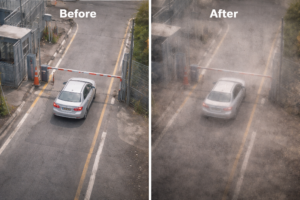
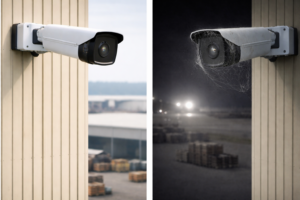
This is where sites often underestimate the risk. The lens does not have to be heavily covered for LPR results to suffer.
For example, slight dust or haze can soften fine characters. Residue can lower contrast. Cobweb strands or dirt near the lens can create glare, especially at night. Consequently, the camera may remain online and recording while the plate image quality quietly becomes less dependable.
This can lead to:
- missed plate reads
- weaker plate accuracy
- lower confidence in capture quality
- more manual review
- repeated checks for failed reads
- reduced trust in gate or access records
So the real issue is not how bad the contamination looks. The real issue is how much it changes the details the system must capture.
Why the risk is even higher at entry and exit points
Most LPR cameras are installed where accuracy matters immediately. Gates, parking entries, yard access points, toll-style lanes, industrial entrances, and secured facilities all depend on plate capture that works consistently.
However, these same locations often expose cameras to:
- vehicle dust and road spray
- exhaust residue
- outdoor weather contamination
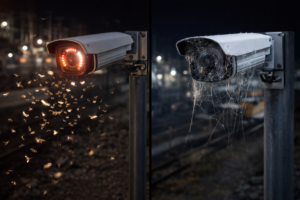
- insects and cobwebs near night lighting
- repeated buildup from traffic flow
- difficult access for frequent manual cleaning
As a result, LPR camera cleaning becomes especially important in the exact locations where operators are least able to accept missed reads.
Why nighttime plate capture is even more vulnerable
Night conditions amplify small contamination issues. LPR systems often depend on controlled lighting, IR support, or strong contrast to capture plate characters correctly after dark.
That means even light contamination can create:
- glare
- haze
- washed-out plate areas
- reduced contrast on characters
- weaker readability during motion
Therefore, a lens that looks only slightly dirty during the day can become a much bigger problem at night. This is one reason missed plates often seem unpredictable until teams compare daytime and nighttime performance directly.
Why manual cleaning is often too reactive for LPR performance
Many sites clean LPR cameras only after obvious image problems appear or after missed reads begin to trigger complaints. However, by that point the camera may already have been underperforming for some time.
That creates a familiar pattern:
- image quality drops gradually
- recognition performance weakens
- missed plates increase
- someone notices the problem
- a manual cleaning visit is arranged
- the same contamination later returns
Consequently, reactive cleaning usually restores performance temporarily without reducing the recurrence that caused the issue in the first place.
Why “almost clean” is not good enough for LPR cameras
For general video, slight contamination may still be tolerable. For LPR, it often is not. A plate has to be captured clearly, at the right moment, often in motion, and often under challenging light conditions.
Even a small visibility loss can affect:
Character clarity
Fine plate details become softer and harder to distinguish.
Contrast
The system may struggle more with plate/background separation.
Read consistency
Some plates may capture correctly while others fail under similar conditions.
Operational confidence
Teams may spend more time checking records, reviewing footage, or handling exceptions manually.
That is exactly why LPR camera cleaning deserves a stricter standard than ordinary camera maintenance.
How CAMDUSTER helps reduce missed plates
CAMDUSTER is a camera cleaning robot designed to help supported cameras stay clearer through a more preventive cleaning approach. Instead of relying only on manual cleaning after visibility has already degraded, sites can reduce recurring contamination before it weakens LPR performance.
That matters because the value of CAMDUSTER is not just a cleaner camera. The real value is more consistent image quality for cameras where missed detail creates operational problems.
CAMDUSTER can help support:
- clearer lens-area conditions over time
- fewer repeat manual cleaning visits
- better consistency for plate-capture cameras
- lower maintenance burden at high-traffic locations
- improved reliability from existing LPR systems
Therefore, when missed reads create real cost or inconvenience, CAMDUSTER helps make LPR camera cleaning more effective and more predictable.
Where this issue matters most
Some LPR camera locations are especially sensitive to contamination.
Industrial gates
Heavy vehicle movement and dust make reliable plate capture harder to maintain.
Parking entries and exits
Frequent traffic creates constant need for dependable reads.
Logistics yards
Vehicle flow, outdoor exposure, and residue buildup can all weaken plate accuracy.
Remote or high-mounted access points
If cleaning is delayed because access is difficult, missed plates can continue longer than acceptable.
Case study: a gate camera with “random” missed reads
At one industrial entry point, an LPR camera remained online and appeared generally functional. Nevertheless, the site noticed that some plates were being missed more often than expected, especially during busy periods and after dark.
At first, the issue was treated as a software or recognition-setting problem. However, inspection revealed a simpler cause: light contamination near the lens area was reducing sharpness and contrast just enough to weaken plate capture consistency.
The camera did not look severely dirty, but for LPR that did not matter. The image was no longer clean enough to deliver the level of reliability the site expected. Once the team moved toward a more preventive cleaning approach, plate capture consistency improved and manual exception handling dropped.
The lesson was clear: for LPR, small contamination can create a much larger operational problem than most teams expect.
A smarter maintenance strategy for LPR cameras
If a camera supports license plate recognition, maintenance should be handled with the same seriousness as the reading task itself.
A stronger approach usually includes:
- identifying plate-critical cameras
- checking image quality before obvious failure appears
- tracking repeat contamination at gates and traffic lanes
- prioritizing high-traffic and hard-to-access locations
- moving from reactive cleaning to preventive maintenance
In other words, the goal is not just to keep the lens “mostly clear.” The goal is to keep the image consistent enough to reduce missed reads and maintain trust in the system.
Internal resources to explore
To learn more about visibility-sensitive camera maintenance, see:
- CAMDUSTER camera cleaning solutions
- Face recognition: how small dirt can cause big errors
- Why manual camera cleaning can create a security risk through missed events
Conclusion
LPR camera cleaning is not a small maintenance detail. License plate recognition depends on sharp, stable, and consistent image quality, and even light contamination can lead to missed plates, weaker reads, and more manual intervention.
That is why clean lenses directly support better LPR results. CAMDUSTER helps sites reduce repeat cleaning effort, maintain clearer visibility, and support more reliable plate capture where image precision matters most.
FAQ
Frequently Asked Questions
Can a small amount of dirt really cause missed plates?
Yes. Even light contamination can reduce sharpness or contrast enough to weaken plate capture accuracy, especially when vehicles are moving or conditions are challenging.
Why are LPR cameras more sensitive to lens contamination than normal CCTV cameras?
Because LPR systems depend on capturing fine plate details clearly and consistently. A standard camera may still look usable while the LPR camera is already losing accuracy.
Does the camera have to look obviously dirty before plate reads are affected?
No. The lens can appear only slightly dusty or hazy while image quality is already reduced enough to affect plate recognition performance.
Which LPR camera locations are most vulnerable to contamination?
Gate lanes, parking entrances, logistics yards, industrial access points, and other traffic-heavy outdoor locations are usually the most exposed to dust, residue, and repeated buildup.
Why is nighttime LPR especially sensitive to a dirty lens?
Because small contamination can create glare, haze, and reduced contrast under low-light or IR-supported conditions, making plate characters harder to read accurately.
How does CAMDUSTER help with LPR camera cleaning?
CAMDUSTER supports a more preventive cleaning approach for supported cameras, helping maintain clearer visibility and reduce recurring contamination that can weaken plate capture.
Is this only a problem for outdoor LPR cameras?
Outdoor cameras are more exposed, but any LPR camera in a dusty, high-traffic, or contamination-prone environment can suffer reduced performance from lens-area buildup.
Read more FAQs
Can light residue or haze affect plate recognition even if the scene still looks visible?
Yes. LPR requires cleaner detail than general viewing, so slight quality loss can matter even when a person can still understand the overall scene.
What are the first signs that contamination is affecting LPR performance?
Common signs include more missed reads, lower consistency, more manual checks, and results that seem to worsen during traffic peaks or after dark.
Should LPR cameras follow a stricter cleaning standard than general surveillance cameras?
Usually yes. Because LPR depends on precision, these cameras generally need more consistent visibility management than overview or general-purpose CCTV cameras.
Can one underperforming LPR camera create a major operational issue?
Yes. If that camera supports access records, vehicle control, billing, or security review, missed plates can create workflow delays and lower confidence in the system.
Does manual cleaning still have a role even with CAMDUSTER?
Yes. Cameras still need inspection and general maintenance when required. However, CAMDUSTER can help reduce routine contamination-related cleaning burden on supported cameras.
What should site managers track to understand the real cost of missed plates?
They should track repeat contamination, cleaning frequency, missed-read patterns, manual exceptions, and the locations where plate accuracy drops most often.
Can preventive cleaning reduce manual exception handling?
Yes. When image quality stays more consistent, sites often spend less time dealing with missed reads, verification problems, or extra review work.
Is CAMDUSTER relevant for integrators deploying LPR systems?
Yes. It gives integrators a practical way to help customers maintain the camera clarity that plate-recognition performance depends on.
What is the biggest hidden cost of slight dirt on LPR cameras?
The biggest hidden cost is that the camera may still appear functional while quietly producing weaker plate capture performance that affects operations and trust in the system.
#CAMDUSTER #SecurityCameraCleaning #DirtyCameraLens #IndustrialSites #SecurityROI