
Steel Plant Cameras: Managing Dust and Heat in Harsh Process Zones
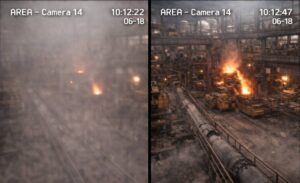
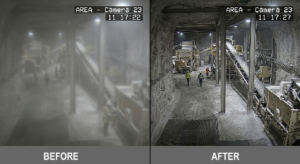
Steel plant camera cleaning is not a minor maintenance issue. In steel production environments, cameras are often exposed to airborne particulate, heat, vibration, and harsh operating conditions that can quickly reduce image quality. As a result, cameras may remain online and recording while the footage becomes less useful than operators realize.
That matters because steel plants rely on cameras for safety, process visibility, traffic monitoring, perimeter awareness, and incident review. However, when optics are exposed to recurring contamination in hot process areas, visibility can decline faster than expected. Therefore, steel plant camera cleaning should be treated as a reliability issue, not just a routine wipe-down task.
Why steel plant environments are so hard on cameras
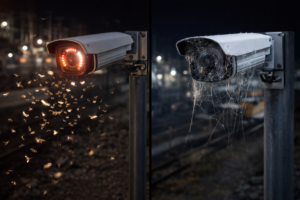
Steel facilities combine multiple camera challenges in the same environment. Fine particulate can settle on lens areas, heat can intensify exposure in process zones, and constant plant activity can keep contamination moving through the air.
Common contributors include:
- airborne particulate from production processes
- dust and residue near handling systems
- heat exposure in active zones
- heavy equipment movement
- material transfer activity
- outdoor and semi-open process areas
- recurring buildup near high-traffic production points
Because of that, even cameras that appear physically intact can lose useful optical clarity over time.
Why particulate creates a repeat visibility problem
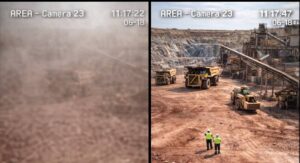
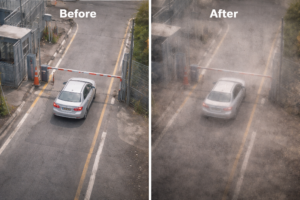
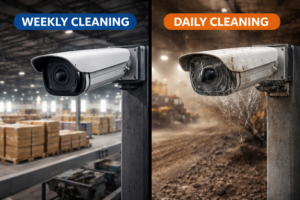
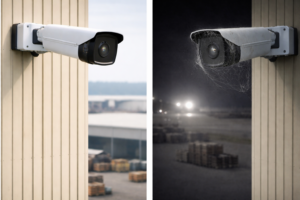
Particulate in steel plants often behaves like a recurring coating problem rather than a one-time dirt event. Fine particles settle gradually on optics, lowering contrast and softening image detail. Consequently, a camera may look only slightly affected while the footage is already becoming less reliable for real operational use.
This can lead to:
- hazy or softer footage
- reduced contrast in process views
- weaker remote monitoring confidence
- more repeat manual cleaning visits
- slower incident review
- lower value from installed surveillance equipment
So the real issue is not simply visible dirt. The real issue is recurring optical degradation in zones where clear visibility matters most.
Why heat makes the problem worse
Heat does not always dirty the lens directly, but it makes harsh environments harder to manage. In steel plant process areas, heat exposure often comes together with airborne particulate and difficult camera placement. As a result, maintenance teams may face cameras that are both contamination-prone and expensive to access safely.
This matters because the site is not only managing image quality. It is also managing the challenge of keeping those cameras usable in zones where maintenance conditions are tougher than normal.
That is exactly why steel plant camera cleaning often becomes a repeat burden rather than an occasional task.
Why manual cleaning becomes expensive in steel plants
Manual cleaning may restore visibility temporarily. Nevertheless, the full cost of each visit is often much larger than expected, especially in demanding industrial areas.
A typical cleaning trip may include:
- technician labor
- PPE and safety procedures
- travel across the facility
- coordination with operations
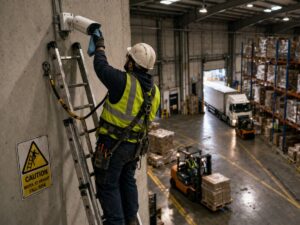
- ladders or elevated access
- repeat visits when contamination returns quickly
Therefore, the biggest expense is rarely the cleaning itself. Instead, it is the repeated effort required to reach the camera, clean it, and then do the same thing again later.
Why reactive maintenance is usually too slow
Many sites clean cameras only after the image has already become clearly poor. Although that may seem practical, it often means the camera has been underperforming for some time before anyone responds.
First, particulate begins to settle. Next, visibility gradually weakens. Then someone notices the image decline and arranges a visit. As a result, the site spends part of that cycle relying on footage that is already below the level it expects.
In other words, reactive cleaning restores visibility late instead of protecting it earlier.
How CAMDUSTER helps in steel plant use cases
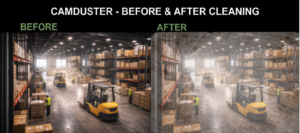
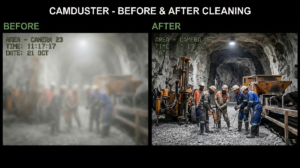
CAMDUSTER is a camera cleaning robot designed to help supported cameras stay clearer through a more preventive cleaning approach. Instead of relying only on repeated manual cleaning after contamination already affects visibility, steel plants can reduce recurring buildup before it creates the same maintenance problem again.
That matters because the value of CAMDUSTER is not just a cleaner lens. The real value is reducing the repeated cycle behind particulate-related visibility loss.
CAMDUSTER can help support:
- more consistent camera clarity
- fewer repeat manual cleaning visits
- lower labor tied to routine contamination
- better maintenance planning
- improved use of existing surveillance infrastructure
Therefore, steel plant camera cleaning becomes more manageable when sites shift from repeated reactive intervention to a more preventive strategy.
Where this use case is strongest
Some steel plant camera positions create especially high maintenance burden.
Material handling areas
These zones often combine recurring particulate with heavy operational movement.
Outdoor and semi-open process points
Airborne contamination can move farther than expected and settle repeatedly on optics.
Elevated monitoring positions
When cameras are mounted high near active process zones, every cleaning visit becomes more costly.
Traffic and plant movement routes
Repeated equipment activity keeps contamination moving and returning to the same camera locations.
Case study: a process camera in a harsh zone
At one steel facility, a camera monitoring a busy process area stayed online but repeatedly lost image clarity because fine particulate kept settling on the lens area. Initially, the issue was treated as occasional contamination and handled through manual cleaning.
However, the same camera kept requiring attention because the environmental conditions never really changed. As a result, the maintenance team was repeatedly spending labor and access effort on the same location while still dealing with reduced visibility between visits.
Once the site reviewed the issue as a recurring harsh-zone exposure pattern rather than an isolated dirty-lens problem, the maintenance strategy changed. By moving toward a more preventive cleaning approach, the team reduced repeated interventions and improved visibility consistency in that area.
That is where CAMDUSTER creates value: by helping steel plants manage the pattern behind the contamination, not just the most recent cleaning event.
A smarter way to manage cameras in heat and particulate zones
If cameras in your steel plant keep losing clarity, it helps to review the entire contamination pattern rather than treating each image complaint as separate.
A stronger strategy usually includes:
- identifying the harshest camera locations
- tracking how fast visibility degrades
- prioritizing high-cost access points
- reviewing cameras exposed to recurring particulate
- reducing reactive cleaning where possible
In other words, the goal is not just to clean the optics once. The goal is to keep critical cameras usable with less repeated manual effort.
Internal resources to explore
To learn more about smarter industrial camera maintenance, see:
- CAMDUSTER camera cleaning solutions
- Cement plant use case: fine dust coating optics
- Warehouse use case: constant airborne dust from traffic
Conclusion
Steel plant camera cleaning is difficult because particulate and harsh process conditions can steadily reduce optical clarity even while cameras remain online and operational. Over time, that creates weaker visibility, more repeat cleaning, and higher maintenance burden in the zones where reliable footage matters most.
That is why the better answer is not just another manual wipe-down. CAMDUSTER helps steel plants reduce repeat cleaning effort, support clearer visibility, and create a more preventive camera maintenance strategy in demanding heat and particulate environments.
#CAMDUSTER #CameraCleaningRobot #DustRemoval #SteelPlant
FAQ
Frequently Asked Questions
Why do steel plant cameras lose visibility so quickly?
Because steel plants often expose cameras to airborne particulate, harsh process conditions, and repeated contamination that gradually settles on optics and reduces image clarity.
Is heat the main problem, or is particulate more damaging to the image?
Both matter, but particulate usually affects the visible image more directly by coating the lens area. Heat makes those harsh zones harder to maintain and manage safely.
Which steel plant camera locations usually need the most attention?
Material handling zones, process areas, outdoor or semi-open plant sections, traffic routes, and elevated monitoring positions usually create the highest repeat maintenance burden.
Can a light coating of particulate really reduce footage quality that much?
Yes. Even a fine layer can soften detail, reduce contrast, and make the footage less useful for monitoring, review, and operational decision-making.
How does CAMDUSTER help with steel plant camera cleaning?
CAMDUSTER supports a more preventive cleaning approach for supported cameras, helping reduce repeated manual cleaning visits and maintain clearer visibility over time.
Is this only a problem for outdoor steel plant cameras?
No. Outdoor cameras are often heavily exposed, but indoor and semi-open process cameras can also collect recurring particulate that affects optics and visibility.
Why is manual cleaning often inefficient in steel plants?
Because it restores the image temporarily but does not change the harsh environment. As a result, the same cameras often need repeated cleaning again soon after.
Read more FAQs
Do high-mounted steel plant cameras create a bigger maintenance burden?
Yes. Elevated cameras often require more labor, more access effort, and more operational coordination every time visibility needs to be restored.
Can one process zone repeatedly affect the same camera?
Yes. If a camera is near a consistent source of airborne particulate, the same contamination pattern can return again and again.
What should site managers track to understand the true cost?
They should track cleaning frequency, access difficulty, labor time, harsh-zone locations, and how often the same cameras lose useful visibility.
Does this issue affect both security and process monitoring cameras?
Yes. Any camera that depends on clear optics can lose value when particulate buildup reduces image quality and detail.
Can CAMDUSTER help reduce emergency cleaning visits?
Yes. By supporting a more preventive approach for supported cameras, it can help reduce extra reactive visits caused by recurring contamination.
Should all steel plant cameras follow the same cleaning routine?
No. Cameras in harsher zones usually need more attention than cameras in quieter or more protected locations.
Is CAMDUSTER useful only for very large steel plants?
No. Any site with recurring particulate-related visibility loss, difficult access, or repeated manual cleaning effort can benefit from a more preventive solution.
Can preventive cleaning improve the ROI of existing cameras?
Yes. When cameras stay clearer more consistently, the site gets more reliable performance and better value from the surveillance equipment it already has.
What is the biggest hidden cost of particulate in steel plant zones?
The biggest hidden cost is repetition: the same cameras keep losing clarity and demanding labor without changing the underlying exposure pattern.