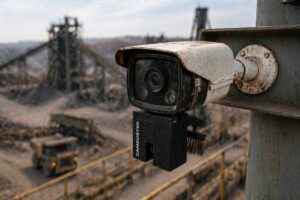

The Hidden Enemy of CCTV Systems: Dust
CCTV systems are installed to provide clear, reliable security monitoring. However, one of the most underestimated threats to camera performance is dust accumulation on the lens.
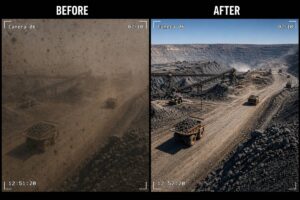
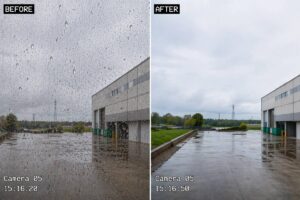
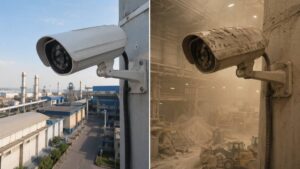
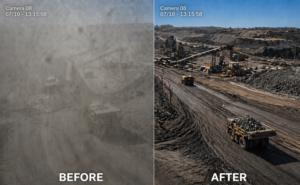
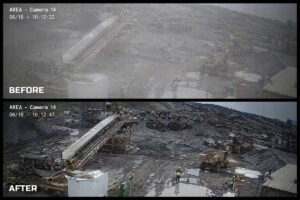
Even a thin layer of dust can significantly degrade image quality. Over time, dust buildup can turn a high-resolution surveillance camera into a blurry, unreliable sensor that fails to capture critical details.
In environments such as:
-
Industrial facilities
-
Warehouses
-
Mining sites
-
Construction areas
-
Agricultural processing plants
-
Logistics hubs
dust is constantly present in the air, settling on camera lenses within hours or days after cleaning.
The result is a surveillance system that gradually loses effectiveness without anyone noticing.
How Dust Affects CCTV Performance
Dust contamination impacts surveillance cameras in several ways:
1. Image Blur and Loss of Detail
Dust particles scatter incoming light before it reaches the camera sensor. This creates:
-
Blurred images
-
Reduced contrast
-
Loss of sharpness
Critical visual details such as faces, license plates, or small objects may become impossible to identify.
2. False Alarms and AI Detection Errors
Modern CCTV systems increasingly rely on AI video analytics for:
-
Intrusion detection
-
Object recognition
-
Behavior analysis
-
License plate reading
Dust on the lens can cause:
-
Motion detection errors
-
Misclassification of objects
-
Reduced AI confidence scores
This can lead to missed events or excessive false alerts, reducing the value of intelligent security systems.
3. Night Vision Degradation
Infrared (IR) illumination is highly sensitive to dust.
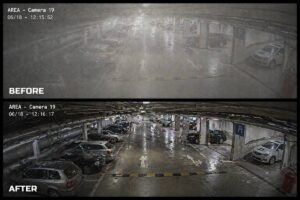
Dust particles reflect IR light back toward the lens, creating:
-
Fog-like glare
-
Bright spots in night footage
-
Reduced visibility range
This phenomenon, sometimes called IR backscatter, is common in dusty environments and can render night surveillance nearly useless.
4. Increased Maintenance Costs
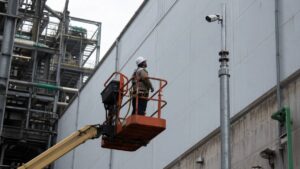
Manual cleaning of CCTV cameras requires:
-
Technicians
-
Lifts or ladders
-
Safety procedures
-
System downtime
In large facilities with hundreds of cameras, routine cleaning quickly becomes expensive and impractical.
Some cameras may remain dirty for months simply because they are difficult to access.
The Smart Solution: Automated Lens Cleaning
To address this challenge, automated lens cleaning technology has emerged as a practical solution.
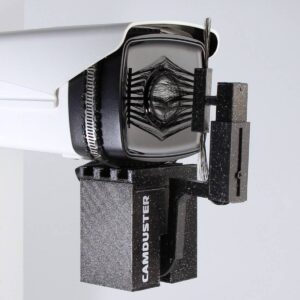
One of the most innovative systems available today is Camduster, designed specifically for dusty industrial environments.
Instead of relying on manual maintenance, the system automatically removes dust from camera lenses, keeping images clear at all times.
How Camduster Works
The system installs directly in front of a CCTV camera housing and periodically cleans the lens using a mechanized cleaning mechanism.
Typical features include:
-
Automated cleaning cycles
-
Scheduled or triggered activation
-
Durable industrial design
-
Compatibility with common CCTV housings
-
Minimal power consumption
Because the cleaning happens automatically, the camera lens stays clear without human intervention.
Key Benefits of Automated Lens Cleaning
Consistent Image Quality
Cameras remain clean and deliver sharp, high-resolution footage even in dusty environments.
Reduced Maintenance
Facilities eliminate frequent manual cleaning visits.
Improved AI Accuracy
Video analytics systems perform better when lenses remain clear.
Extended Camera Lifespan
Dust buildup can contribute to overheating and component wear. Keeping lenses clean helps maintain optimal operation.
Lower Total Cost of Ownership
Automation reduces long-term operational expenses associated with maintenance crews.
Where Automated Camera Cleaning Is Most Valuable
Systems like Camduster provide the greatest benefit in environments such as:
-
Mining operations
-
Cement plants
-
Grain processing facilities
-
Steel mills
-
Quarry sites
-
Ports and bulk material terminals
-
Construction zones
In these locations, dust levels are so high that manual cleaning alone cannot maintain reliable surveillance performance.
The Future of Reliable Surveillance
As security systems increasingly rely on high-resolution cameras and AI analytics, maintaining clear optics becomes essential.
Automated cleaning technologies represent a major step forward in CCTV reliability, ensuring cameras remain operational even in the harshest conditions.
Solutions like Camduster allow organizations to protect their surveillance investments while ensuring that security systems deliver clear, usable footage when it matters most.
If your facility operates in a dust-heavy environment, investing in automated lens cleaning can dramatically improve the performance and reliability of your CCTV infrastructure.