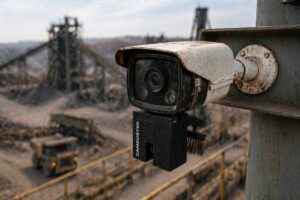

Cobwebs at Night: Why They Keep Coming Back to Security Cameras
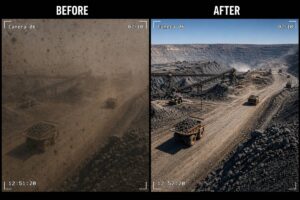
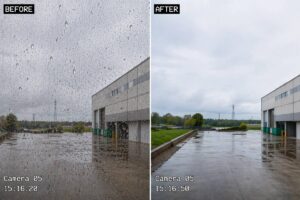
A camera can look clean during the day and still fail to deliver a clear image at night. In many cases, the reason is simple: spider webs form directly in front of the lens. As a result, visibility drops, infrared light reflects back into the image, and security teams end up dealing with blurry footage and repeated false alarms.
That is exactly why cobwebs at night are more than a minor nuisance. They are a repeat maintenance problem that affects image quality, site security, and operating costs.
Why spider webs return so often
The pattern is not random. In fact, security cameras naturally attract the conditions that spiders like.
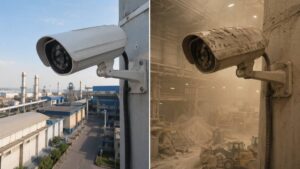
Many outdoor cameras use IR illumination or sit near light sources. Consequently, insects gather around them after dark. Spiders follow the insects, and then they build webs where food is easiest to catch. Moreover, the camera housing, bracket, and mounting arm provide ideal anchor points.
So while a technician can remove a web in minutes, the same camera often attracts a new one again the next night. Therefore, cobwebs at night keep returning because the underlying conditions remain unchanged.
Why this becomes a serious surveillance problem
At first glance, a small web may not seem important. However, once it sits close to the lens, the effect can be immediate.
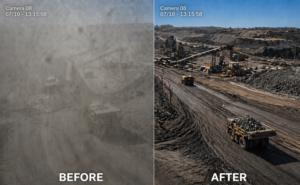
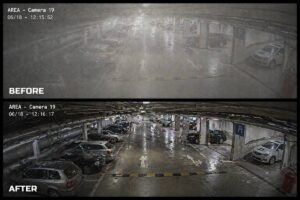
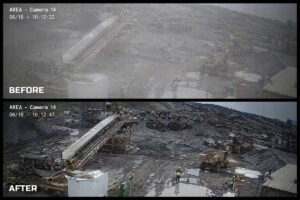
For example, web strands reflect infrared light and create haze or glare across the image. In addition, insects moving around the web can trigger repeated motion alerts. Because of that, operators may receive nuisance alarms while still missing the actual event they needed to record.
This leads to several common issues:
-
blurred or washed-out night footage
-
reduced camera visibility
-
false alerts caused by insect activity
-
more frequent cleaning visits
-
higher labor and access costs
In other words, cobwebs at night reduce the value of the camera system exactly when clear footage matters most.
Why manual cleaning is not enough
Of course, manual cleaning helps in the short term. A technician wipes the area, removes the web, and restores visibility. Nevertheless, that fix is only temporary.
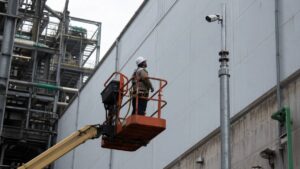
If the camera still attracts insects, spiders will return. As a result, teams repeat the same work over and over again. On easy-access cameras, that is frustrating. On high-mounted or remote cameras, it becomes expensive very quickly.
This is especially true at:
-
industrial sites
-
warehouses and logistics yards
-
mining operations
-
factory perimeters
-
oil and gas facilities
-
building management sites
Each visit may include travel time, PPE, access equipment, permits, or production coordination. Therefore, reactive cleaning is often the most costly way to handle a predictable problem.
How CAMDUSTER helps
This is where CAMDUSTER changes the maintenance approach.
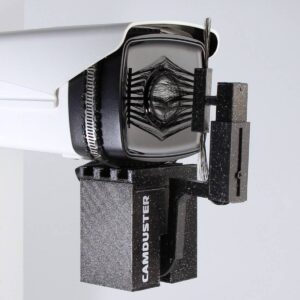
CAMDUSTER is a camera cleaning robot designed to help supported cameras stay clearer by reducing the need for repeated manual lens-area cleaning. Instead of waiting for contamination to affect the image and then sending a technician, operators can move toward preventive maintenance.
That creates practical benefits:
-
clearer footage at night
-
fewer repeat site visits
-
lower labor costs
-
better uptime from existing cameras
-
less disruption to operations
As a result, CAMDUSTER helps turn recurring contamination into a more controlled maintenance process rather than an endless cleaning cycle.
Where recurring cobweb problems are most common
Some camera locations are especially vulnerable.
Perimeter cameras
Fence-line and perimeter cameras rely heavily on nighttime visibility. However, they are also exposed to insects, weather, and spider activity. Because of that, web buildup often becomes a recurring issue.
Gate and entry cameras
Gate cameras need clean footage for vehicles, people, and incidents. Even a small web can reduce image detail and confidence in the recording.
Industrial yard cameras
Large outdoor yards combine lighting, dust, open air, and insect activity. Consequently, they create perfect conditions for repeated contamination.
High-mounted bullet cameras
These cameras are often time-consuming and expensive to access. Therefore, every repeat cleaning visit adds avoidable maintenance cost.
Case study: repeated web buildup at an industrial gate
At one industrial facility, a bullet camera monitoring the main vehicle gate kept losing image quality after sunset. During daytime inspections, the camera appeared acceptable. However, by night, a fresh web repeatedly formed across the viewing area.
As a result, the site experienced hazy footage, more nuisance alerts, and poor image clarity during key hours. Initially, the maintenance team handled the issue with manual cleaning. Even so, the web returned several times a week, and every visit required staff time plus access coordination.
Once the site shifted toward a more preventive cleaning strategy, repeat interventions dropped and nighttime image consistency improved. The lesson was clear: the biggest cost was not a single web, but the repeated labor required to keep solving the same problem.
A smarter long-term maintenance strategy
If your site keeps dealing with recurring web buildup, it makes sense to move beyond basic wipe-downs. Preventive cleaning improves consistency, protects surveillance performance, and reduces repeated callouts.
You can also explore related solutions on CAMDUSTER:
Conclusion
The reason spider webs keep returning is simple: cameras attract insects, and insects attract spiders. That cycle repeats night after night. Therefore, recurring web buildup should be treated as a maintenance pattern, not a one-time inconvenience.
If cobwebs at night keep reducing footage quality on your site, CAMDUSTER offers a smarter way to protect camera visibility, reduce manual cleaning effort, and improve maintenance efficiency.
## FAQFrequently Asked Questions
Why do cobwebs appear on security cameras mostly at night?
Because insects gather around IR illumination and nearby lights after dark, spiders use the camera area as an easy place to hunt and build webs.
Can a small web really affect camera footage?
Yes. Even a thin web close to the lens can reflect infrared light, reduce contrast, and make footage look hazy or blurry.
Why does the same camera keep getting webs again after cleaning?
Cleaning removes the web, but it does not remove the insects or the conditions that attract spiders. As a result, the problem often returns quickly.
Do cobwebs cause false motion alerts?
They can. Moving web strands and insect activity near the lens may trigger nuisance alerts, especially at night.
How does CAMDUSTER help with recurring cobweb problems?
CAMDUSTER supports a preventive cleaning approach for supported cameras, helping reduce repeated manual cleaning and maintain clearer visibility over time.
Try our solution at www.camduster.com
#CAMDUSTER #CameraCleaningRobot #SpiderWebRemoval #IndustrialSites #ReduceMaintenanceCosts