What “Maintenance-Free” Really Means for Security Cameras
Maintenance-free security cameras sound ideal. On paper, the phrase suggests a camera that can be installed once and then left alone without ongoing attention. As a result, buyers may assume they are eliminating future service needs entirely.
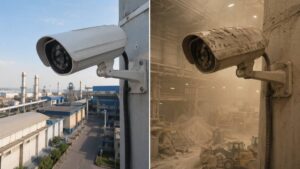
In real life, however, that is rarely how outdoor or industrial camera systems work. Cameras may be durable, weather-rated, and designed for long-term use, yet they still face contamination, environmental exposure, and visibility loss over time. Therefore, the phrase “maintenance-free” usually means lower routine intervention, not zero maintenance forever.
That distinction matters. If buyers expect no upkeep at all, they may underestimate the long-term impact of dust, cobwebs, debris, or dirty lens areas. In contrast, sites that understand what maintenance-free security cameras really mean can plan more realistically and protect performance more effectively.
Why “maintenance-free” is often misunderstood
In many industries, “maintenance-free” does not literally mean that nothing ever needs attention. Instead, it usually means the product is designed to reduce regular servicing under normal conditions.
That can be true for cameras as well. A camera may not require frequent internal adjustment, routine mechanical servicing, or regular part replacement. Nevertheless, the external viewing area can still be affected by the real environment around it.
For example, cameras installed in factories, warehouses, industrial yards, mining sites, and perimeter zones still face:
- airborne dust
- cobwebs and insect activity
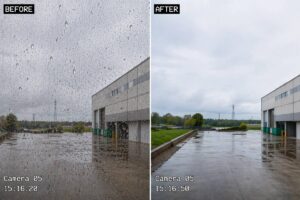
- rain residue or dirt film
- debris near the lens area
- reduced visibility from environmental buildup
- repeated contamination in harsh zones
So while the device itself may be robust, the camera image can still suffer if contamination is allowed to accumulate.
Why image quality is the real test
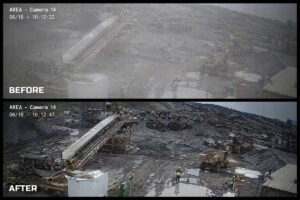
A camera can remain powered, connected, and technically operational while still delivering weak footage. That is exactly why “maintenance-free” claims need to be viewed through the lens of actual visibility.
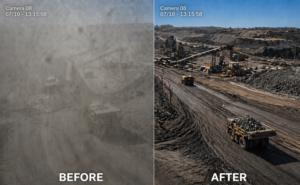
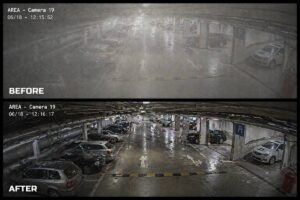
If the lens area is dirty, the camera may still record, but the recording may no longer be good enough for monitoring, incident review, or evidence use. Consequently, a site may believe the system is performing well while the useful image quality has already degraded.
This can lead to:
- blurry footage
- reduced night visibility
- more false alerts
- lower confidence in surveillance
- missed visual details
- more reactive cleaning visits later
Therefore, the real question is not whether the camera stays on. The real question is whether it keeps delivering usable footage over time.
What “maintenance-free” should mean in practice
In practical terms, maintenance-free security cameras should be understood as cameras that reduce the need for frequent technical servicing, not cameras that are immune to environmental contamination.
A more realistic definition would be:
- minimal routine technical intervention
- durable construction for long-term operation
- reduced need for component servicing
- but still possible external cleaning needs depending on site conditions
That is a much more useful way to think about it, especially for buyers responsible for real-world uptime and maintenance budgets.
Why harsh environments change the meaning completely
The phrase becomes even more misleading in demanding environments. A camera in a clean indoor corridor may stay clear for a long time with little visible buildup. However, a camera in a dusty factory, outdoor perimeter, mining zone, or logistics yard faces completely different conditions.
Because of that, the same “maintenance-free” camera may perform very differently depending on where it is installed.
This matters most in places such as:
Industrial sites
Dust, debris, and hard access can make even a durable camera harder to keep visually clear.
Warehouses and logistics areas
Busy traffic, loading activity, and airborne particles can gradually reduce image quality.
Perimeter security locations
Outdoor cameras face weather, insects, cobwebs, and environmental contamination over time.
Mining and heavy industry
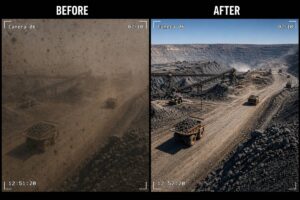
Dust-heavy zones create repeat cleaning needs even when the camera hardware itself remains functional.
So the environment often determines the real maintenance burden more than the marketing label.
Why reactive cleaning is not the same as low maintenance
Some sites assume they can accept “maintenance-free” as long as they clean the camera only when the image becomes obviously poor. However, that usually leads to reactive maintenance rather than genuinely low-maintenance operation.
First, the visibility degrades gradually. Next, the issue is noticed late. Then someone has to schedule a manual cleaning visit. As a result, the site still incurs labor, travel, access effort, and lost visibility between cleanings.
In other words, a camera does not become maintenance-free just because maintenance is delayed.
How CAMDUSTER supports a more realistic low-maintenance strategy
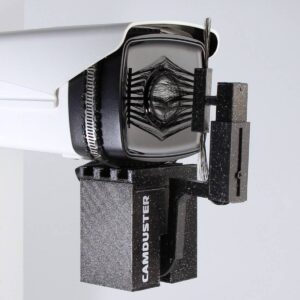
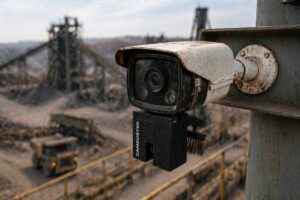
CAMDUSTER is a camera cleaning robot designed to help supported cameras stay clearer through a more preventive maintenance approach. Instead of relying only on reactive manual cleaning after contamination already affects the image, operators can reduce the repeat buildup that drives ongoing cleaning effort.
That matters because the value of CAMDUSTER is not pretending maintenance disappears entirely. The value is helping sites reduce recurring manual intervention while keeping camera visibility more consistent.
CAMDUSTER can help support:
- fewer repeat cleaning visits
- better visibility consistency
- lower routine cleaning effort
- improved performance from existing cameras
- a more practical path to lower-maintenance operation
Therefore, maintenance-free security cameras become a more realistic goal when the site actively reduces the recurring contamination that would otherwise create repeated manual work.
Case study: a camera labeled low-maintenance, but not low-effort
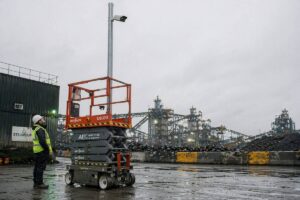
At one industrial site, a set of outdoor cameras had been selected partly because they were considered low-maintenance. Technically, the cameras performed well and required little servicing. However, the site soon discovered that recurring dust and cobweb buildup were affecting visibility far more often than expected.
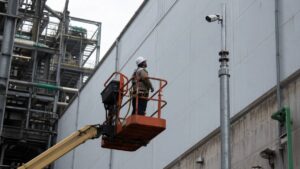
Initially, the team treated the issue as occasional manual cleaning. Over time, though, repeated service visits began to add labor and access costs. The cameras themselves were reliable, but the image quality still required attention.
That was the turning point. The site realized that “low-maintenance” hardware did not automatically mean low-effort visibility management. By moving toward a more preventive cleaning strategy, the team reduced repeated manual intervention and kept critical footage clearer more consistently.
The lesson was simple: maintenance-free should be measured by real operating effort, not just product positioning.
A smarter way to evaluate maintenance claims
If you are comparing camera solutions, it helps to ask more practical questions:
- How will this camera perform in a dusty or insect-heavy environment?
- What happens to image quality between service visits?
- How often do similar cameras need cleaning in real conditions?
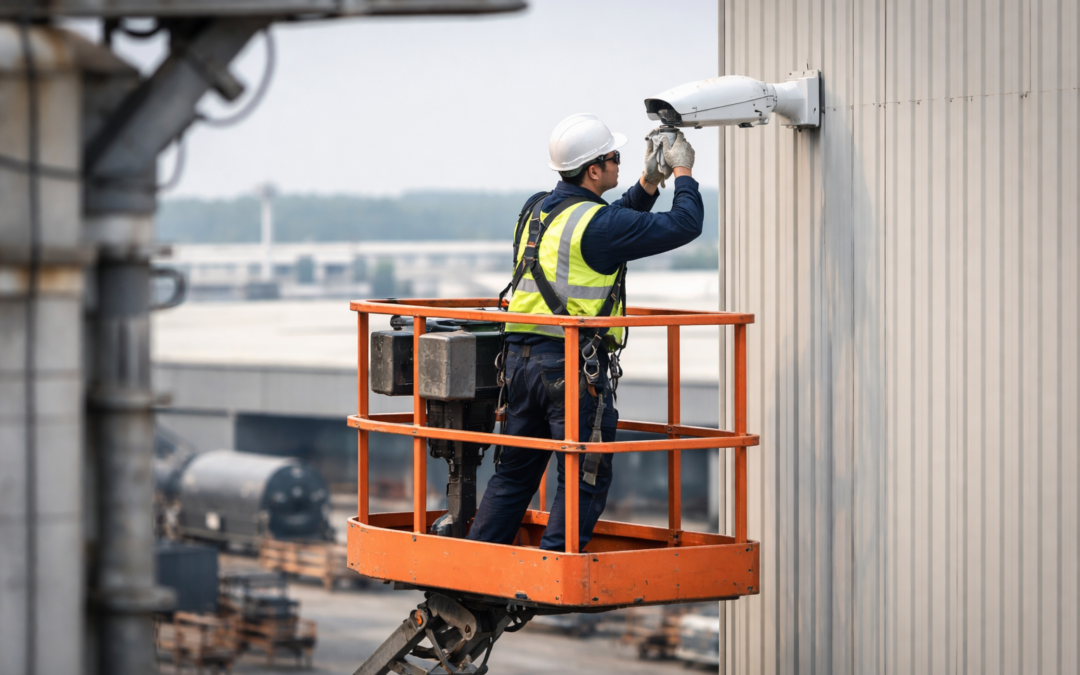
- Is the camera easy or expensive to access when visibility drops?
- Can preventive cleaning reduce repeated manual effort?
Those questions give a much clearer picture than the label alone.
Internal resources to explore
To learn more about real-world camera maintenance, see:
- CAMDUSTER camera cleaning solutions
- The hidden cost of “free” manual camera cleaning
- The “night vision clarity” problem (and the fix)
Conclusion
Maintenance-free security cameras can be a useful idea, but only when the term is understood correctly. In real environments, even durable cameras still face dust, cobwebs, debris, and visibility loss over time.
That is why the better goal is not pretending maintenance never exists. The better goal is reducing repeated manual effort while keeping footage consistently usable. CAMDUSTER helps make that possible by supporting a more preventive, practical approach to camera cleanliness and long-term performance.
FAQ
Frequently Asked Questions
Do maintenance-free security cameras really need no cleaning at all?
No. In real environments, cameras can still collect dust, cobwebs, residue, and debris around the lens area. The hardware may be durable, but the viewing area can still need attention.
What does “maintenance-free” usually mean in practice?
It usually means reduced routine technical servicing, not zero upkeep forever. A camera may need less servicing internally while still needing occasional cleaning depending on where it is installed.
Can a maintenance-free camera still deliver poor footage?
Yes. A camera can remain powered and operational while contamination around the lens reduces image quality enough to affect monitoring or evidence use.
Why do harsh environments make maintenance-free claims less realistic?
Because dust, insects, weather, and debris can affect the lens area regardless of how durable the camera hardware is. The harsher the site, the more likely visibility will need active management.
Is reactive manual cleaning enough for low-maintenance operation?
Usually not. Reactive cleaning often means the camera stays degraded until someone notices, then labor and access costs are added each time a manual visit is needed.
How does CAMDUSTER help make camera maintenance more manageable?
CAMDUSTER supports a more preventive cleaning approach for supported cameras, helping reduce repeated manual cleaning effort and maintain clearer visibility over time.
Are maintenance-free claims more believable for indoor cameras?
In cleaner indoor spaces, cameras may need less attention. However, even indoor cameras in factories, warehouses, or dusty production areas can still face recurring visibility problems.
Read more FAQs
Can a camera be technically healthy but still fail in practice?
Yes. If the image is blurry, hazy, or obstructed, the camera may still be online but no longer useful enough for real monitoring or incident review.
Do maintenance-free cameras reduce labor costs automatically?
Not always. Labor cost depends on how often cameras still need attention in real site conditions, especially when access is difficult or contamination is frequent.
What should buyers ask before accepting a maintenance-free claim?
They should ask how the camera performs in dust-heavy, outdoor, insect-prone, or hard-to-access environments and how visibility is maintained over time.
Can CAMDUSTER help on cameras installed in remote or elevated positions?
Yes. It is especially valuable where repeat manual cleaning is inconvenient, costly, or operationally disruptive.
Is CAMDUSTER useful only for outdoor cameras?
No. It is especially relevant outdoors, but it can also help in indoor industrial environments where recurring contamination affects supported cameras.
Why is visibility more important than the maintenance label?
Because the true value of a camera is the quality of the footage it provides. If the image is poor, the camera may still be running but not performing its real job.
Can preventive cleaning improve the ROI of existing camera systems?
Yes. When cameras stay clearer more consistently, sites get more usable performance from the surveillance equipment they already installed.
What is the biggest hidden problem with the term maintenance-free?
The biggest problem is that it can create unrealistic expectations. Buyers may assume no upkeep is needed, even though image quality can still decline in real-world conditions.
Is this issue relevant only for industrial sites?
No. Any site with recurring contamination, weather exposure, insects, or difficult camera access can discover that maintenance-free does not mean visibility-free from upkeep.
#CAMDUSTER #AutomaticCameraCleaning #DirtyCameraLens #IndustrialSites #MaintenanceAutomation