Why Camera Cleaning Can Be Gentle (No Harsh Chemicals Needed)
Gentle camera cleaning may sound counterintuitive in industrial environments. After all, cameras are often exposed to dust, debris, cobwebs, and harsh conditions. However, using aggressive cleaning methods or chemicals can sometimes create more problems than they solve.
In many cases, the goal is not to scrub the lens aggressively. Instead, it is to remove the contamination layer while protecting the optical surface. Therefore, gentle camera cleaning becomes the safer and more effective long-term approach.
Why harsh cleaning methods can create risk
When visibility drops, the natural reaction is to clean the lens as quickly and thoroughly as possible. Nevertheless, aggressive cleaning can introduce new issues.
For example:
- harsh chemicals can damage coatings on the lens
- rough contact can create micro-scratches
- repeated manual wiping can wear the surface over time
- improper materials can leave residue or streaks
As a result, the lens may become more sensitive to future contamination or lose clarity even after cleaning.
Why the lens surface needs protection
Security camera lenses are designed for optical performance, not heavy mechanical cleaning. That means even small surface changes can affect how the camera captures light, contrast, and detail.
Because of that, gentle camera cleaning focuses on removing dust and debris without altering the surface itself. In other words, the best cleaning method is one that restores clarity while leaving the optics unchanged.
Why dust and debris do not require aggressive force
Most contamination on industrial cameras is not bonded to the surface. Instead, it consists of:
- fine dust
- loose debris
- cobwebs
- airborne particles
- light residue buildup
These materials often sit on the lens rather than chemically attaching to it. Therefore, they can be removed effectively without strong pressure or chemical treatment.
This is exactly why a softer cleaning approach works well in many real-world environments.
Why repeat cleaning makes method selection important
Even if one aggressive cleaning action seems harmless, the real issue appears over time. Cameras in harsh environments often need repeated cleaning, not just one intervention.
So the question is not:
“Does this method work once?”
It is:
“Can this method be repeated many times without damaging the lens?”
That is where gentle camera cleaning becomes critical. A method that is safe over dozens or hundreds of cleaning cycles is far more valuable than one that works quickly but degrades the surface over time.
Why chemical-free cleaning reduces risk
Using fewer or no chemicals simplifies the cleaning process and reduces the risk of unintended side effects.
Benefits include:
- no chemical residue on the lens
- no risk of coating damage
- safer handling for maintenance teams
- easier integration into routine cleaning schedules
- more predictable results
As a result, the cleaning process becomes more consistent and easier to manage across multiple cameras.
How CAMDUSTER supports gentle cleaning
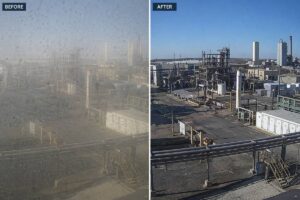
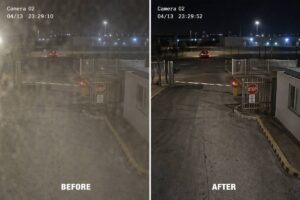
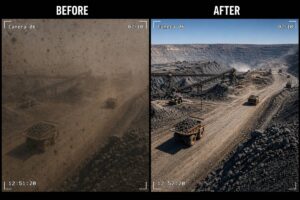
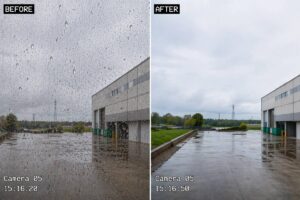
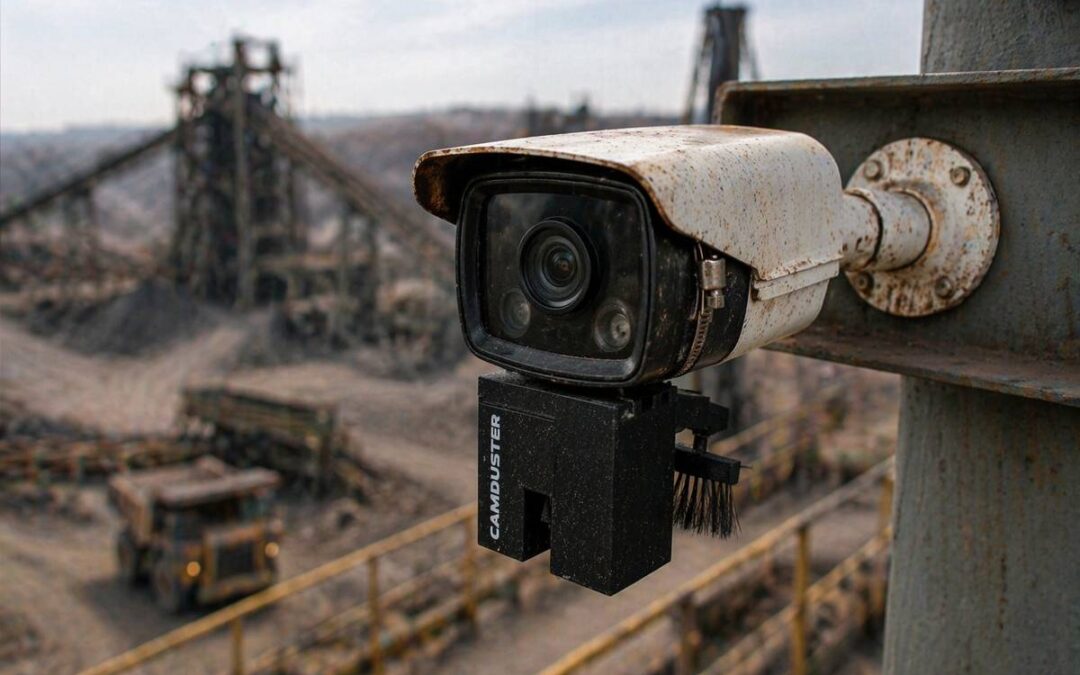
CAMDUSTER is a camera cleaning robot designed to remove dust, debris, and cobwebs using a controlled, repeatable, and non-aggressive approach. Instead of relying on harsh chemicals or manual force, it focuses on maintaining lens clarity through regular, preventive cleaning.
This matters because the value is not only in cleaning once. The real value is maintaining visibility over time without introducing new risks to the camera optics.
CAMDUSTER can help support:
- consistent gentle cleaning cycles
- reduced need for manual wiping
- lower risk of surface damage
- more predictable maintenance routines
- improved long-term camera performance
Therefore, gentle camera cleaning becomes practical at scale when it is built into the system rather than performed manually each time.
Where gentle cleaning matters most
Some environments benefit especially from a non-aggressive approach:
High-frequency cleaning locations
Where cameras require regular attention, safe repetition is essential.
Sensitive optical applications
Cameras used for identification, monitoring, or detailed review benefit from preserved lens quality.
Difficult-to-access cameras
Reducing the need for repeated manual cleaning lowers both risk and effort.
Industrial sites with recurring contamination
Dust-heavy environments need cleaning methods that can be applied again and again without degradation.
Case study: repeated cleaning started to affect clarity
At one industrial site, cameras in a dusty process area required frequent manual cleaning. Initially, technicians used standard wiping methods with cleaning agents to restore visibility quickly.
Over time, however, some cameras began to show reduced clarity even after cleaning. The issue was not heavy contamination but gradual surface wear and residue buildup from repeated cleaning.
After reviewing the process, the site moved toward a more controlled and gentler cleaning approach. As a result, lens condition stabilized, and visibility remained more consistent between interventions.
This highlights an important point: the cleaning method itself can become part of the problem if it is not designed for repeated use.
A smarter approach to camera cleaning
If your site deals with recurring contamination, it is worth reviewing not only how often cameras are cleaned, but also how they are cleaned.
A stronger approach usually includes:
- removing loose contamination without aggressive force
- avoiding unnecessary chemical use
- using repeat-safe cleaning methods
- focusing on long-term optical protection
- reducing manual intervention where possible
In other words, the goal is not just to clean the lens. The goal is to keep it clear without damaging it over time.
Internal resources to explore
To learn more about safer and more efficient camera maintenance, see:
- CAMDUSTER camera cleaning solutions
- The “night vision clarity” problem (and the fix)
- Why cleaning is a security risk (missed events)
Conclusion
Gentle camera cleaning is not about doing less. It is about doing the right amount in the right way. In many industrial environments, dust and debris can be removed effectively without harsh chemicals or aggressive methods.
That is why a controlled, repeatable, and non-damaging approach is essential for long-term camera performance. CAMDUSTER helps sites maintain clear visibility while protecting the lens surface and reducing the risks associated with repeated manual cleaning.
#CAMDUSTER #CameraCleaningRobot #DebrisRemoval #IndustrialSites #PreventiveMaintenance
FAQ
Frequently Asked Questions
Is it really possible to clean cameras without chemicals?
Yes. Most contamination such as dust, debris, and cobwebs can be removed without chemicals, especially when cleaning is done regularly.
Why should I avoid harsh chemicals on camera lenses?
Harsh chemicals can damage protective coatings, leave residue, and reduce long-term optical clarity.
Can gentle cleaning still be effective in industrial environments?
Yes. In many cases, contamination is loose and can be removed effectively without aggressive force or chemicals.
Does repeated cleaning damage camera lenses?
It can, especially if the method is aggressive. Over time, repeated rough cleaning may cause surface wear or micro-scratches.
How does CAMDUSTER clean without damaging the lens?
CAMDUSTER uses a controlled, repeatable cleaning method designed to remove contamination while minimizing stress on the lens surface.
What types of dirt can be removed with gentle cleaning?
Fine dust, loose debris, cobwebs, and light surface buildup are typically well suited for gentle cleaning methods.
When are chemicals actually necessary?
Chemicals may be needed for sticky or bonded contamination, but for most routine dust-related issues, they are not required.
Read more FAQs
Can gentle cleaning reduce maintenance costs?
Yes. By avoiding damage and reducing the need for corrective maintenance, gentle cleaning can lower long-term costs.
Is gentle cleaning safer for technicians?
Yes. It reduces chemical exposure and simplifies the cleaning process.
Does this apply to both indoor and outdoor cameras?
Yes. Both indoor and outdoor cameras can benefit from non-aggressive cleaning methods.
Can poor cleaning methods affect night vision performance?
Yes. Residue or scratches can reduce infrared clarity and overall image quality at night.
How often should cameras be cleaned using a gentle approach?
It depends on the environment, but regular preventive cleaning is usually more effective than infrequent aggressive cleaning.
Can CAMDUSTER replace manual cleaning completely?
It can significantly reduce the need for manual cleaning, especially for routine contamination.
Is gentle cleaning enough for heavy industrial dust?
Yes, especially when applied regularly before heavy buildup accumulates.
What is the biggest advantage of a chemical-free approach?
It protects the lens surface while keeping the cleaning process simple and repeatable.