A tiny robot protecting a big investment
At first glance, a camera cleaning robot may look like a small accessory compared with the larger surveillance system around it. However, that is exactly why many sites underestimate its value. The real question is not how big the device is. Instead, the real question is how much value depends on the camera staying clear and usable over time.
That is where camera cleaning robot ROI becomes important. A surveillance camera may represent a much larger investment in hardware, installation, network integration, mounting, access equipment, labor, and operational reliance. Therefore, when lens contamination reduces image quality, the site is not only dealing with a dirty camera. It is risking the performance of the entire investment behind it.
Why the small part can protect the larger system
A security camera rarely stands alone. In most facilities, a single installed camera is connected to a much wider system that includes planning, infrastructure, monitoring, storage, and maintenance.
That larger investment often includes:
- the camera itself
- mounts, brackets, and poles
- wiring or network connection
- switches, power, and integration work
- installation labor
- access equipment during setup
- monitoring and recording infrastructure
- operational dependence on clear footage
As a result, even a relatively small visibility problem can reduce the return from a much larger overall spend.
Why dirty optics reduce surveillance value
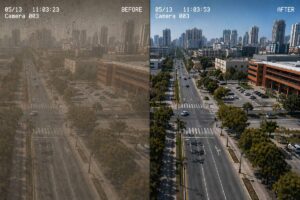
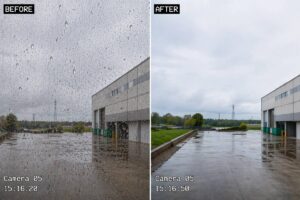
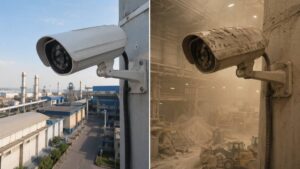
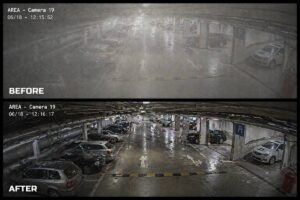
When a camera lens area is affected by dust, grime, residue, or cobwebs, the camera may still remain online and recording. Nevertheless, the practical value of the footage may decline.
That matters because a surveillance system creates value only when the image remains useful. If visibility falls, the site may lose some of the benefit it expected from the original camera investment.
This can lead to:
- lower footage quality
- reduced confidence in monitoring
- weaker incident review
- missed visual detail
- more manual cleaning visits
- less value from the installed system
In other words, the issue is not only cleaning. The issue is protecting the performance of the camera asset already in place.
Why replacement cost is not the only cost
When operators think about camera maintenance, they often focus on the cost of cleaning visits or the price of the camera hardware. However, the larger cost is often the loss of usefulness when the camera no longer delivers consistent visibility.
For example, a site may have invested in a good camera, proper mounting, network setup, and a monitoring workflow. Yet if the optics become repeatedly contaminated, the footage may no longer support the same level of operational value.
Therefore, camera cleaning robot ROI should be evaluated against the full installed value of the camera system, not only against the cleaning device itself.
Why small preventive measures often create strong ROI
Preventive maintenance usually looks less dramatic than major repairs or hardware replacement. However, it often protects value more efficiently.
A small cleaning device can help support a much bigger investment because it addresses a simple but recurring issue before that issue reduces camera performance. Consequently, the site may protect visibility with less repeated manual effort.
That is why the return is often bigger than the size of the device suggests.
Where this value is easiest to see
Some camera locations make this use case especially clear.
High-mounted cameras
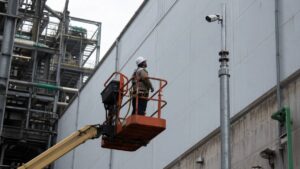
These often require more labor and access effort when manual cleaning is needed.
Remote cameras
These can create extra travel and service burden even when the cleaning itself is simple.
Dust-heavy zones
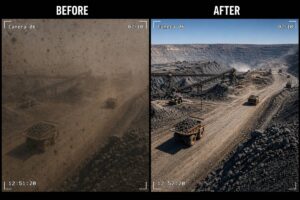
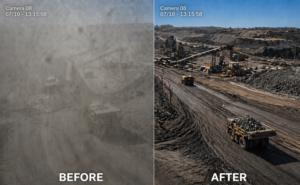
In these areas, contamination can return quickly and reduce footage quality again and again.
Night-critical cameras
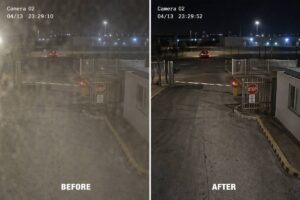
These positions depend even more on clear optics because visibility margins are smaller after dark.
Operationally important cameras
Any camera used for safety, monitoring, traffic visibility, entry control, or review becomes more valuable when clarity stays consistent.
How CAMDUSTER protects the larger investment
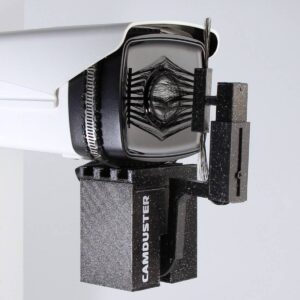
CAMDUSTER is a camera cleaning robot designed to help supported cameras stay clearer with less repeated manual intervention. Although the device itself is compact, the value it protects can be much larger.
Instead of waiting until contamination has already reduced image quality, sites can move toward a more preventive approach. That helps protect the usefulness of the surveillance asset already installed.
CAMDUSTER can help support:
- more consistent camera clarity
- fewer repeated maintenance visits
- lower labor tied to routine cleaning
- better use of installed surveillance hardware
- stronger long-term value from camera systems
- improved maintenance efficiency across multiple sites
As a result, a small cleaning device can help protect a much bigger operational and financial investment.
Case study: protecting a high-value camera point with a small add-on
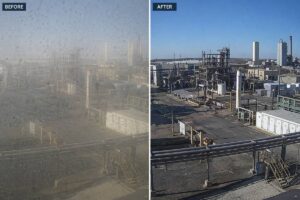
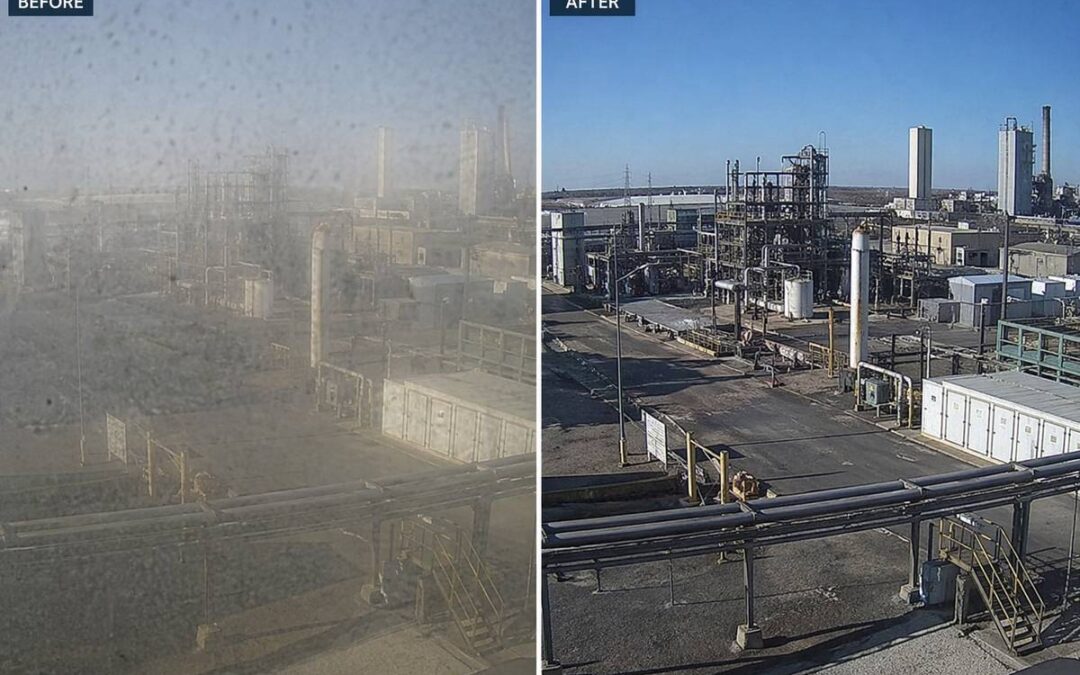
At one industrial site, a high-mounted camera covered an important traffic and monitoring zone. The camera itself was already part of a broader surveillance investment that included installation work, elevated mounting, network connection, and regular operational reliance.
Over time, recurring contamination began reducing practical image quality. The camera remained online, but the footage became less useful between cleaning visits. In addition, each manual cleaning trip required time, coordination, and access effort.
After reviewing the situation, the site realized the problem was not the cost of one wipe. Instead, the real issue was allowing a recurring visibility problem to weaken the value of a much larger camera investment.
By moving toward a more preventive cleaning strategy, the team reduced repeated manual intervention and helped protect the performance of that installed camera point. That is exactly where CAMDUSTER creates value: not by replacing the camera investment, but by helping preserve it.
A smarter way to think about ROI
If a site wants to measure the return from a camera cleaning device properly, it should look beyond the size of the unit itself.
A better evaluation usually includes:
- the full installed value of the camera
- the role the camera plays in operations
- the cost of repeated manual cleaning
- the impact of degraded footage
- the burden of access and maintenance
- the number of cameras exposed to recurring contamination
In other words, the right question is not, “How small is the device?” The better question is, “How much larger is the investment it helps protect?”
Internal resources to explore
To learn more, see:
- CAMDUSTER camera cleaning solutions
- ROI story: one device vs monthly ladder visits
- Cost calculator: labor rate × visits × cameras = ROI
- The hidden cost of “free” manual camera cleaning
FAQ
Why is a small camera cleaning device relevant to overall ROI?
Because it can help protect the value of a much larger surveillance investment that includes the camera, installation, infrastructure, and the operational need for clear footage.
Is the value really about the device itself?
Not mainly. The bigger value is in helping the installed camera stay useful over time with less repeated manual cleaning effort.
Can a dirty lens reduce the return on a camera investment?
Yes. A camera may still be online and recording, but if the footage is less useful, the site is getting less value from the system it already paid to install and operate.
Why do people underestimate this use case?
Because the cleaning device looks small compared with the camera system around it. However, a small preventive tool can protect a much larger installed asset.
Does this matter more for expensive or difficult camera installations?
Yes. The harder a camera is to access and the more important its role, the more valuable preventive clarity protection can become.
How does CAMDUSTER help protect a camera investment?
CAMDUSTER helps supported cameras stay clearer with less repeated manual intervention, which supports more consistent visibility and better use of installed camera assets.
Is this only about reducing maintenance visits?
No. It is also about protecting footage quality, preserving practical camera usefulness, and getting better long-term value from the surveillance system already in place.
Read more FAQs
What kinds of sites benefit most from this approach?
Industrial facilities, remote sites, dust-heavy environments, and locations with high-mounted or operationally important cameras often benefit the most.
Can one small device really matter on a large site?
Yes. If it helps protect the clarity of a camera that the site depends on, the effect can be much larger than the size of the device itself suggests.
Should ROI be compared only with the cleaner’s price?
No. ROI should be compared against the value of the protected camera asset, recurring cleaning effort, and the operational cost of degraded footage.
Why is preventive cleaning more valuable than waiting for obvious visibility loss?
Because by the time the image problem becomes obvious, the camera may already have spent days or weeks delivering reduced practical value.
Does this help with asset longevity thinking as well?
Yes. Protecting the practical performance of installed cameras supports better long-term use of the surveillance system as a whole.
What is the simplest way to explain this ROI story?
A small robot can help protect a much bigger surveillance investment by keeping important cameras clearer with less repeated manual maintenance burden.
CAMDUSTER #CameraCleaningRobot #DirtyCameraLens #IndustrialSites #AutomationROI