Installer spotlight: fewer callbacks, better results
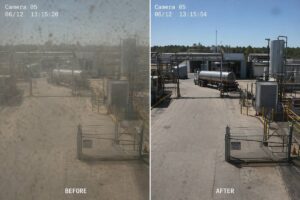
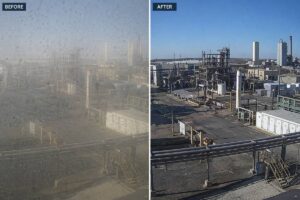
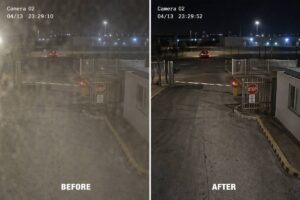
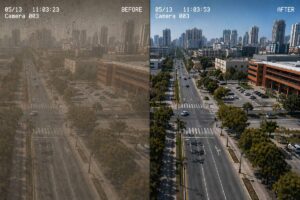
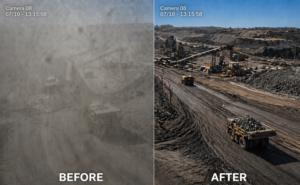
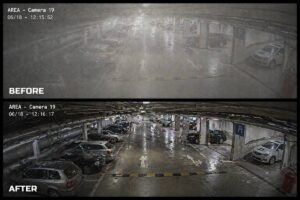
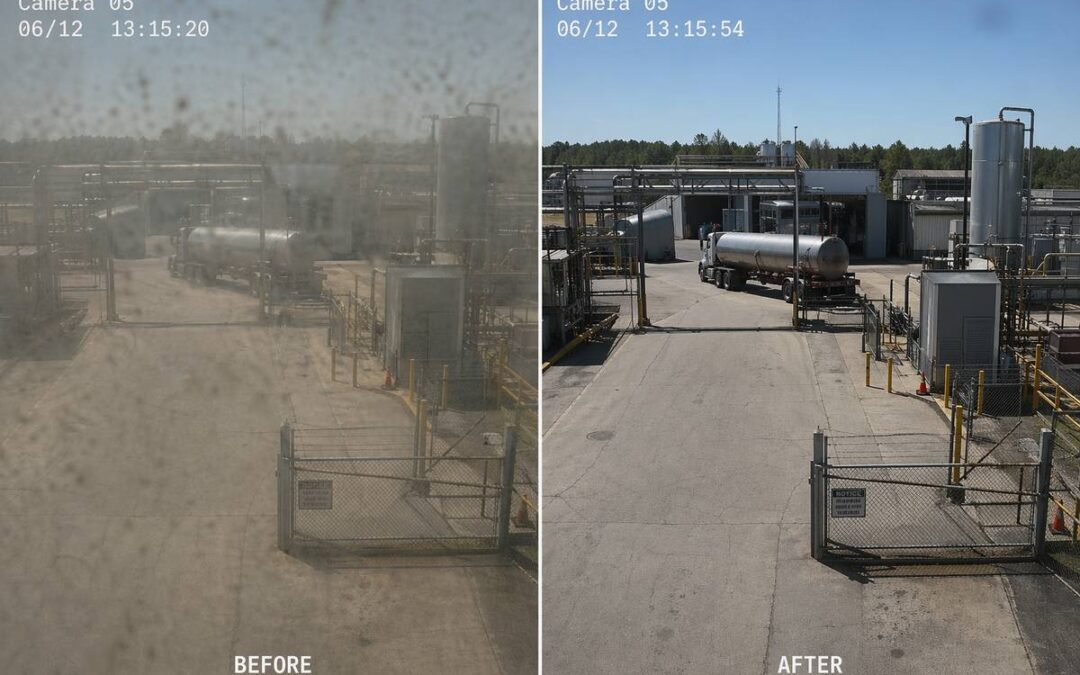
For installers and integrators, a completed camera job is supposed to stay completed. However, when cameras in dusty, dirty, or cobweb-prone locations lose visibility soon after installation, the result is often a frustrating callback. The system may still be online, yet the customer sees blurry footage, reduced night performance, or a visibly dirty camera and asks for help.
That is why fewer camera cleaning callbacks matter so much. A callback is not only an inconvenience. It can also consume labor, scheduling time, travel cost, and customer goodwill. Therefore, reducing repeat service tied to recurring contamination can become a meaningful advantage for installers who want better margins and stronger client satisfaction.
Why callbacks are more expensive than they look
On paper, a callback may seem like a small service event. In practice, it often interrupts planned work and creates non-billable or low-margin effort.
A typical return visit may involve:
- technician scheduling changes
- travel time
- site coordination
- ladder or lift access
- repeated cleaning of the same camera
- communication with the customer before and after the visit
As a result, the actual burden goes well beyond the few minutes it takes to wipe a lens.
Why dirty cameras create installer frustration
Installers usually finish a job expecting the camera system to perform as intended. Nevertheless, some environments quickly create repeat visibility problems.
Common causes include:
- airborne dust
- traffic-related grime
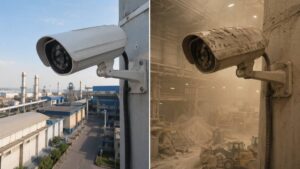
- cobweb buildup
- insects around IR cameras
- fine particulate in industrial areas
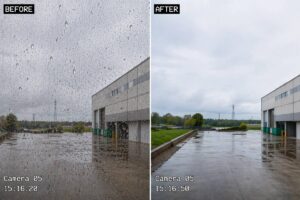
- outdoor residue from wind or rain
Consequently, the installer may be called back even though the original installation was done correctly. The problem is not bad workmanship. Instead, it is recurring contamination at the camera location.
Why the callback hurts more than the cleaning
The cleaning itself is often simple. However, the return trip is where the real cost appears.
A technician may need to revisit the site, carry access equipment, clean the camera, confirm the image, and explain the issue to the customer. In addition, the callback can disrupt other revenue-generating work already scheduled for the day.
That is exactly why fewer camera cleaning callbacks should be seen as a service and profitability issue, not just a maintenance detail.
Why customers remember repeat problems
From the customer’s point of view, a camera that quickly becomes difficult to use often feels like a system problem, even if the root cause is environmental contamination.
That perception matters because customers often remember:
- how soon the issue appeared
- how often it came back
- how quickly the installer responded
- whether the problem felt solved for good
Therefore, repeated dirty-camera complaints can affect customer confidence, even when the installer is doing everything possible to respond professionally.
How CAMDUSTER helps installers reduce repeat service burden
CAMDUSTER is a camera cleaning robot designed to help supported cameras stay clearer with less repeated manual intervention. For installers, that can mean fewer return visits tied to recurring lens-area contamination.
Instead of waiting for the customer to call again after visibility drops, installers can offer a more preventive solution in problem locations. That creates value not only for the end user, but also for the installer’s service model.
CAMDUSTER can help support:
- fewer repeat cleaning callbacks
- better customer satisfaction
- stronger perceived system reliability
- reduced routine service burden
- better use of technician time
- improved long-term account management
As a result, installers can spend less time revisiting the same contamination issue and more time focusing on productive work.
Where this installer use case is strongest
Some camera locations are especially likely to create callback risk.
Warehouse entrances and traffic lanes
Dust and grime can build up quickly where vehicles move constantly.
Outdoor perimeter cameras
Wind, rain residue, and airborne debris can reduce image clarity over time.
IR cameras near lights or insect activity
These often attract cobweb buildup that can quickly affect visibility.
High-mounted cameras
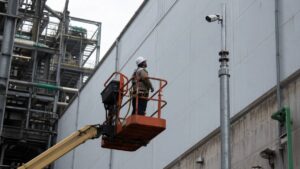
Even a simple cleaning issue becomes expensive when access equipment is required.
Industrial environments
Fine dust, residue, and recurring contamination can trigger repeated service requests.
Case study: reducing repeat service on a customer site
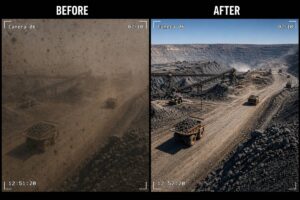
One installer completed a camera project at a busy industrial facility where several cameras monitored access routes and operational areas. Initially, the system performed well. However, a few cameras in contamination-prone spots began losing clarity because of recurring dust and web buildup.
The customer reported the issue more than once, and each return visit required technician time, scheduling, and access effort. Although the installer could restore the image, the same problem kept returning because the environment itself had not changed.
After reviewing the pattern, the installer realized the biggest issue was not the cleaning task. Instead, it was the repeated callback burden attached to the same camera locations. By moving toward a more preventive approach, the installer reduced repeat service effort and helped the customer maintain clearer visibility with fewer disruptions.
That is where CAMDUSTER adds value for installers: by helping limit recurring service calls tied to contamination that predictably comes back.
Why this matters for installer reputation and margin
Every callback affects more than the day’s schedule. Over time, repeat return visits can also reduce service efficiency and compress margins.
At the same time, a cleaner long-term outcome can improve:
- customer trust
- installer credibility
- account retention
- upsell potential
- overall service profitability
In other words, preventing repeat contamination problems can help installers protect both reputation and revenue.
A smarter way to think about the install
For contamination-prone sites, the install should not end with camera mounting and image setup. It should also include realistic thinking about how the camera will stay usable in the actual environment.
A stronger installer strategy usually includes:
- identifying cameras likely to get dirty quickly
- discussing contamination risk with the customer
- reducing repeat manual cleaning where possible
- protecting image quality over time
- minimizing predictable callback triggers
Therefore, the goal is not only to install the system. The goal is to help the system keep performing after the installer leaves.
Internal resources to explore
To learn more, see:
- CAMDUSTER camera cleaning solutions
- Why cleaning is a security risk (missed events)
- The hidden cost of “free” manual camera cleaning
- ROI story: one device vs monthly ladder visits
FAQ
Why do dirty cameras create so many callbacks for installers?
Because the system may still be online, but the customer notices reduced image quality and asks the installer to come back and fix it. The contamination issue often returns even when the installation itself was done correctly.
Are these callbacks usually profitable service visits?
Not always. In many cases, callbacks consume technician time, travel, and scheduling effort without creating strong margin, especially when the issue is repetitive.
What makes a callback more expensive than it first appears?
The cleaning may take only a few minutes, but the total service event can include travel, site access, coordination, and disruption to the rest of the installer’s workday.
Can recurring contamination make a good installation look bad?
Yes. Customers often judge the outcome by what they see on the screen, not by whether the root cause is environmental. So repeat image clarity issues can reflect badly on the installer.
How does CAMDUSTER help reduce repeat service calls?
CAMDUSTER helps supported cameras stay clearer with less repeated manual intervention, which can reduce callbacks tied to recurring dust, cobwebs, and other lens-area contamination.
Which installed cameras are most likely to generate callbacks?
Cameras in dusty, outdoor, high-mounted, insect-prone, or industrial locations are often the most likely to need repeated cleaning and trigger return visits.
Does this matter mainly to large integrators?
No. It matters to both small and large installers because repeat callbacks consume time, affect service quality, and can reduce profitability regardless of company size.
Read more FAQs
Can fewer callbacks improve customer satisfaction?
Yes. Customers are generally happier when cameras stay clearer for longer and they do not need to keep reporting the same issue.
Is this also a reputation issue for installers?
Yes. Repeated return visits for the same visible problem can make the overall installation feel less reliable in the customer’s eyes.
Can preventive cleaning support stronger service margins?
Yes. Reducing repeat low-value visits helps installers use technician time more efficiently and protect margin across service operations.
Should installers discuss contamination risk during the sales process?
Absolutely. Identifying likely dirty-camera locations early helps set better expectations and makes it easier to recommend preventive options where needed.
What is the simplest value message for installers?
Fewer callbacks mean less repeated labor, better customer outcomes, and a cleaner long-term service story.
Why is this especially useful for high-mounted cameras?
Because even a basic cleaning issue can become a bigger service burden when ladders, lifts, or extra safety preparation are involved.
#CAMDUSTER #CameraCleaningRobot #DirtyCameraLens #SecurityIntegrators #LowerLaborCosts