Night security incidents: when clarity matters most
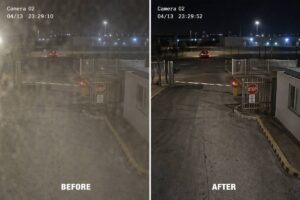
Night security camera clarity is not a minor image-quality issue. After dark, cameras already work under more difficult viewing conditions. Therefore, when dust, grime, cobwebs, or other contamination affect the lens area, the practical value of the footage can drop even faster than many operators expect.
That matters because many important events happen at night. Entry attempts, perimeter movement, vehicle activity, unauthorized access, and late-hour incidents often depend on usable footage captured in low-light conditions. As a result, night security camera clarity should be treated as a reliability issue, not just a maintenance detail.
Why night conditions are less forgiving
In daylight, a camera may continue to produce acceptable footage even when the lens area is not perfectly clean. At night, however, the margin for visibility loss is much smaller.
Low-light surveillance already depends on:
- limited available light
- stronger contrast handling
- night exposure performance
- IR illumination in some setups
- clearer optics to preserve usable detail
Because of that, even a small amount of dust, residue, or webbing can have a larger effect after dark than during the day.
Why dirty optics become a bigger problem at night
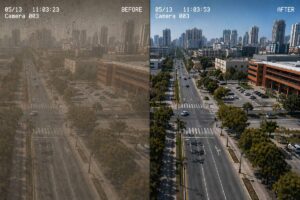
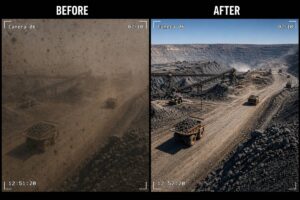
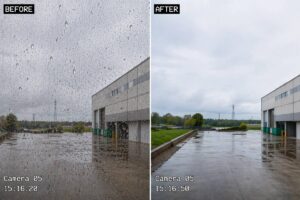
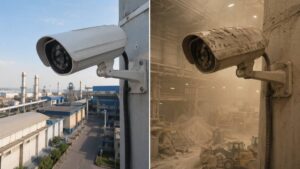
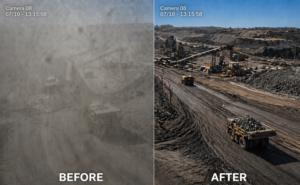
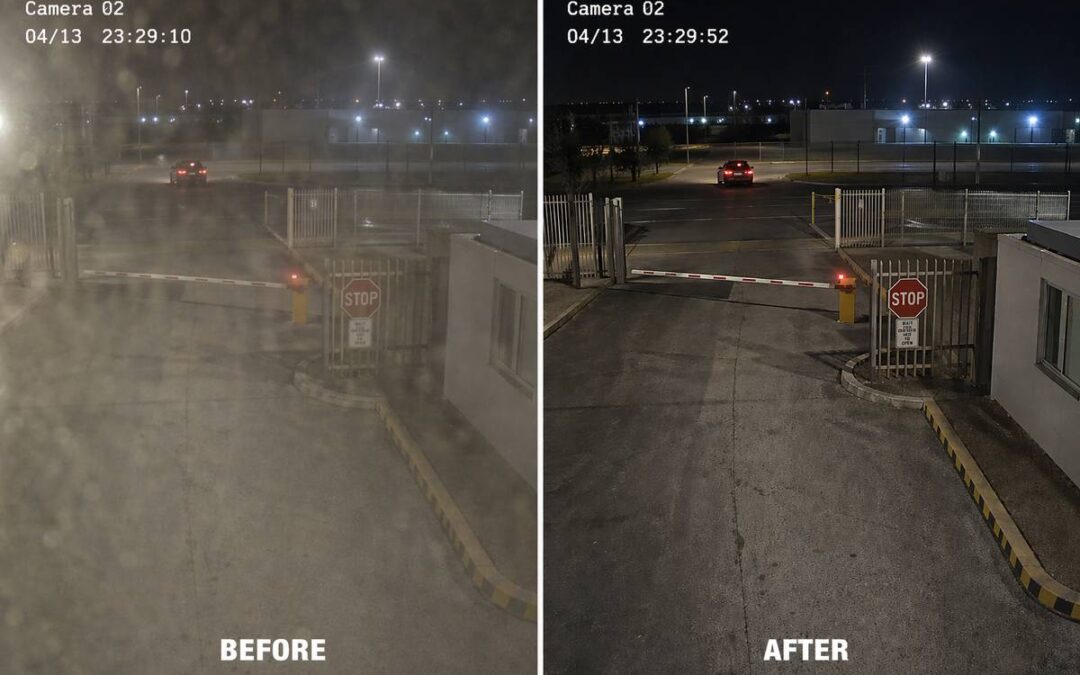
When contamination builds on or near the viewing area, it can reduce clarity in ways that matter more at night. The image may appear softer, hazier, less defined, or more affected by glare and scattered light.
Consequently, cameras may remain online and recording while the footage becomes less useful for practical security work.
This can lead to:
- weaker subject detail
- less reliable incident review
- reduced confidence in what operators are seeing
- more difficulty assessing movement or behavior
- slower response decisions
- missed visual cues during critical moments
In other words, the issue is not simply that the lens looks dirty. The issue is that the footage may be less actionable exactly when clarity matters most.
Why incidents often expose the problem too late
One of the biggest challenges with night footage is that the camera may seem acceptable during routine checks, especially in daytime conditions. However, when an incident happens after dark, the true visibility problem becomes much more obvious.
For example, a camera may still cover the right area and remain fully connected, yet the image may not provide the confidence or detail needed when reviewing an overnight event.
That is why night security camera clarity is often underestimated until a real incident forces the issue.
Where night clarity matters most
Some camera positions are especially sensitive to nighttime visibility loss.
Perimeter cameras
These often monitor low-light zones where early detection depends on reliable detail.
Entry and gate cameras
Nighttime activity at gates and entrances may require sharper footage for review and response.
Parking and vehicle areas
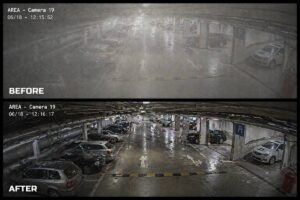
After-dark incidents in these locations often depend on clear visual context.
Isolated outdoor cameras
These positions may have limited ambient light and can be more affected by contamination.
Building exterior cameras
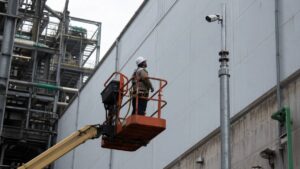
These are often exposed to weather, grime, and web buildup while still being expected to perform at night.
Why reactive cleaning is risky
Many sites only clean cameras after the image looks obviously poor. Although that may seem practical, nighttime performance makes that approach risky.
First, the camera continues to operate while image quality gradually declines. Next, the problem may go unnoticed because the camera still appears functional. Then, when a night incident occurs, the footage may not deliver the expected clarity.
Therefore, reactive cleaning can leave important cameras underperforming for longer than operators realize.
How CAMDUSTER helps support better night visibility
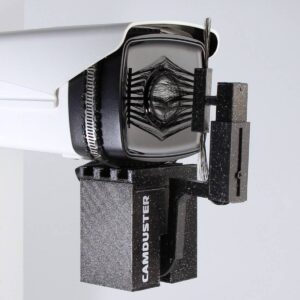
CAMDUSTER is a camera cleaning robot designed to help supported cameras stay clearer with less repeated manual intervention. That matters at night because keeping optics cleaner can help reduce the gradual visibility loss that becomes especially costly in low-light conditions.
Instead of waiting for an obvious image problem to trigger a cleaning visit, operators can move toward a more preventive maintenance approach.
CAMDUSTER can help support:
- more consistent camera clarity
- fewer repeated manual cleaning visits
- better use of existing surveillance assets
- stronger maintenance efficiency
- improved readiness in exposed camera locations
- clearer optics where nighttime performance matters
As a result, sites can reduce the chance that recurring contamination quietly undermines important after-dark footage.
Case study: night incident review at an exterior access point
At one facility, an exterior camera covering a nighttime access route remained online and recording without any visible fault. During normal checks, the camera seemed functional. However, after an overnight incident, the review team found that the footage had become less useful than expected because clarity had gradually declined.
The issue was not a full camera failure. Instead, contamination around the lens area had reduced practical image quality in low-light conditions. As a result, operators had less confidence in what they were seeing during review.
After examining the pattern, the site recognized that the real problem was allowing repeat contamination to build until an incident exposed the weakness. By moving toward a more preventive cleaning approach, the team improved consistency at that camera location and reduced the risk of degraded night footage going unnoticed.
That is exactly where CAMDUSTER creates value: by helping reduce recurring visibility loss before it matters most.
A better maintenance strategy for nighttime reliability
If certain cameras are important for after-dark security, they should not be judged only by whether they are online. They should also be reviewed based on whether the footage stays practically useful in real low-light conditions.
A stronger approach usually includes:
- identifying cameras that are critical at night
- tracking recurring contamination exposure
- reviewing how image quality changes after dark
- prioritizing exposed outdoor and perimeter cameras
- reducing reactive manual cleaning where possible
In other words, the goal is not only to keep cameras working. The goal is to keep them usable when the site needs them most.
Internal resources to explore
Learn more here:
FAQ
Why does camera clarity matter more at night than during the day?
Night surveillance already works with less available light, so there is less tolerance for dust, haze, residue, or webbing on the lens area. Small optical problems can have a larger effect after dark.
Can a camera still be online and recording while night footage becomes less useful?
Yes. The camera may remain fully operational from a system perspective while the practical quality of the footage declines because of contamination or reduced optical clarity.
What kinds of incidents are most affected by poor night clarity?
Perimeter movement, gate activity, parking incidents, exterior access events, and unauthorized after-hours presence can all be harder to assess when the footage is less clear.
Why do sites often discover this problem only after an incident?
Because the camera may still appear normal during routine checks. The real weakness often becomes obvious only when low-light footage must be reviewed during or after a nighttime event.
Do dirty optics affect only sharpness?
No. They can also increase haze, reduce contrast, scatter light, and make the image less reliable in conditions where detail is already limited.
Which cameras should be prioritized for night clarity?
Perimeter cameras, gate cameras, parking-area cameras, isolated outdoor units, and any camera expected to support after-dark monitoring or incident review should be high priorities.
How does CAMDUSTER help with night security performance?
CAMDUSTER helps supported cameras stay clearer with less repeated manual intervention, which can improve consistency and reduce the risk of unnoticed clarity loss before nighttime incidents occur.
Read more FAQs
Can a camera look acceptable by day and still underperform at night?
Yes. Daylight can hide some visibility issues that become much more serious when the same camera operates in low-light conditions.
Why is reactive cleaning a weak strategy for night-critical cameras?
Because the image may already be underperforming long before someone notices. That creates risk if an important event happens before a cleaning visit is scheduled.
Are outdoor cameras more vulnerable to this problem?
Yes. Outdoor cameras face weather, dust, grime, cobwebs, and other contamination while often serving exactly the areas where nighttime clarity matters most.
Does low light make contamination more noticeable?
In many cases, yes. Low-light conditions reduce the margin for error, so contamination can have a stronger practical effect on the usefulness of the image.
How often should night-critical cameras be reviewed?
Sites should review them often enough to catch recurring clarity loss before it affects incident response or footage review, especially in exposed environments.
Can better cleaning strategy improve incident readiness?
Yes. Cameras that stay clearer more consistently are more likely to provide useful footage when unexpected events happen after dark.
What is the main mistake operators make with night camera clarity?
Assuming that because the camera is online, it is fully ready to deliver useful footage under real nighttime incident conditions.
Why is this a strong use case for CAMDUSTER?
Because recurring contamination can quietly reduce nighttime camera value, and preventive cleaning helps reduce that hidden decline before it becomes a security problem.
#CAMDUSTER #CameraCleaningRobot #NightVisionProblems #FactorySecurity #SecurityROI